 EN
EN

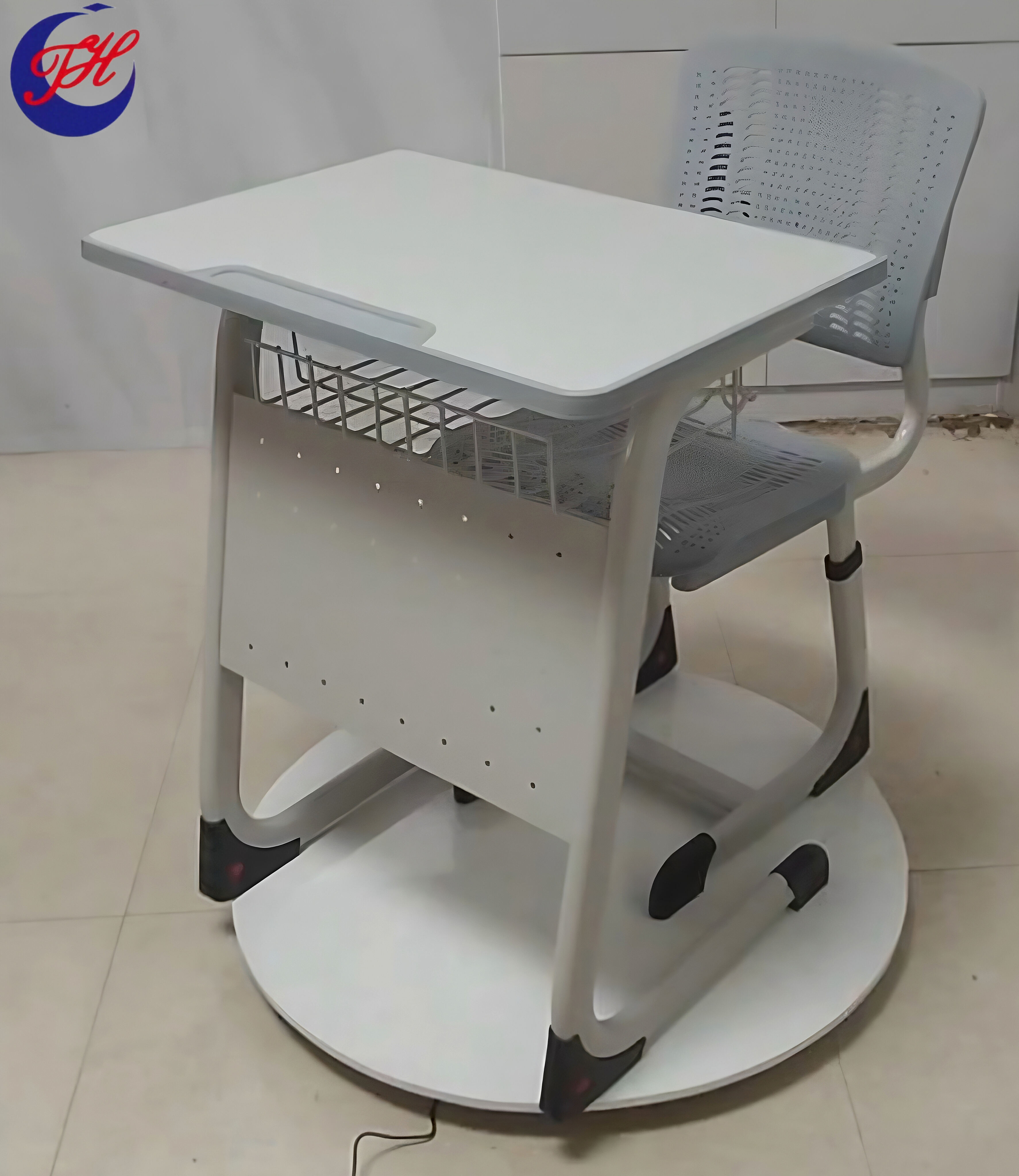
EN 1729 & EN 12521: European Standards for School Desk and Chair Safety, Ergonomics, and Durability
EN 1729-1/2: Dimensional Accuracy, Adjustable Height Ranges, and Age-Specific Ergonomic Fit for School Desk and Chair
EN 1729 stands as the key European standard guiding school furniture ergonomics. Parts 1 and 2 work together to set requirements for dimensions, how adjustable features function, and what fits different age groups. The standard creates six distinct size categories covering kids from age 4 all the way up to 18 years old. Each category has specific measurements for seat height, table height, and importantly, the distance between seat and table surfaces. Getting this right makes a big difference in preventing bad sitting habits and keeping students comfortable throughout long school days. When chairs are adjustable, they need to move smoothly through their entire range but still stay stable no matter where they're set. Seat shapes and backrest angles follow detailed body measurement data to support proper spine positioning. A study in the Journal of School Health found something pretty significant: when schools provide correctly sized furniture, student discomfort drops by around 60%. That's a huge improvement for anyone who spends most of their day sitting at desks.
EN 12521: Structural Stability, Impact Resistance, and 100,000-Cycle Fatigue Testing for Long-Term Classroom Use
The EN 12521 standard works alongside EN 1729 to check how well school furniture holds up against actual classroom wear and tear over time. For desks, they need to hold about 110 kilograms without bending out of shape permanently. Chairs get put through their paces too, with testers sitting down and standing up around 100 thousand times total, which is roughly what happens after ten years of regular classroom activity. When it comes to impact testing, manufacturers drop a weight weighing 25 kg from 12 cm high onto important parts like table tops and chair seats. This helps make sure there are no dangerous sharp corners, wood splinters, or broken pieces after the impact. The stability part of testing makes sure furniture won't tip over if someone leans on it at about a 20 degree angle, something students often do during class. All these different tests together help guarantee that school furniture can handle daily bumps from backpacks, kids moving around, and other accidental knocks. To get certified, every single one of these tests needs to pass successfully. Schools both public and private rely on this certification as the absolute minimum standard for durable classroom equipment.
ANSI/BIFMA X5.5 & UL 962: U.S. Structural and Fire Safety Standards for School Desk and Chair
BIFMA X5.5: Dynamic Load, Tilt, and Static Weight Testing Validating Real-World School Desk and Chair Resilience
The ANSI/BIFMA X5.5 standard stands as the primary benchmark for commercial and educational seating along with work surfaces across the United States. This standard puts products through thorough tests to check how they hold up structurally. There are basically three main tests involved. First comes dynamic load testing, which looks at how furniture handles sudden impacts similar to when someone drops their backpack onto it. Then there's tilt resistance testing that checks if the furniture stays stable when someone leans back or shifts around while sitting. Lastly, static weight verification ensures that items maintain their integrity even when subjected to continuous weight over time. Products that pass certification need to handle 150% of what they're rated for without any structural issues, making them reliable far beyond what most classrooms actually require. Looking at data from independent facility managers in 2023, schools that invested in BIFMA X5.5 certified furniture saw replacement costs drop by about 40% over a decade period compared to those using furniture that didn't meet these standards. That kind of longevity makes a real difference in budget planning for school districts.
UL 962: Fire-Retardant Materials, Electrical Integration Safety, and Tech-Ready School Desk and Chair Compliance
The UL 962 standard tackles important safety concerns as classrooms become increasingly digital spaces. The requirements include using materials that slow down flames to under 25 inches per minute according to ASTM E84 standards. Electrical safety checks cover modern features like USB-C ports on desks, wireless charging spots, and power distribution systems. Mechanical tests also ensure stability when students put weight on tech-equipped furniture. Thermal management is another key aspect, keeping devices from getting hot enough to catch fire while also preventing shocks from wires sticking out or poor grounding issues. Real world results show promise too. After implementing UL 962 compliant furniture across districts in 2022, many schools saw around 60 fewer fires starting in their classrooms compared to previous years.
FAQ Section
What are EN 1729 and EN 12521 standards?
EN 1729 and EN 12521 are European standards for school furniture focusing on ergonomics, safety, and durability.
Why is size category important in EN 1729?
The size categories in EN 1729 ensure that desks and chairs are ergonomically suited for different age groups, helping prevent discomfort and bad sitting habits.
What does BIFMA X5.5 test?
BIFMA X5.5 tests commercial furniture for structural resilience through dynamic load, tilt, and static weight tests.
How does UL 962 address fire safety?
UL 962 requires materials that prevent flames from spreading and integrates checks for electrical safety, reducing the risk of fires in classrooms.