 EN
EN

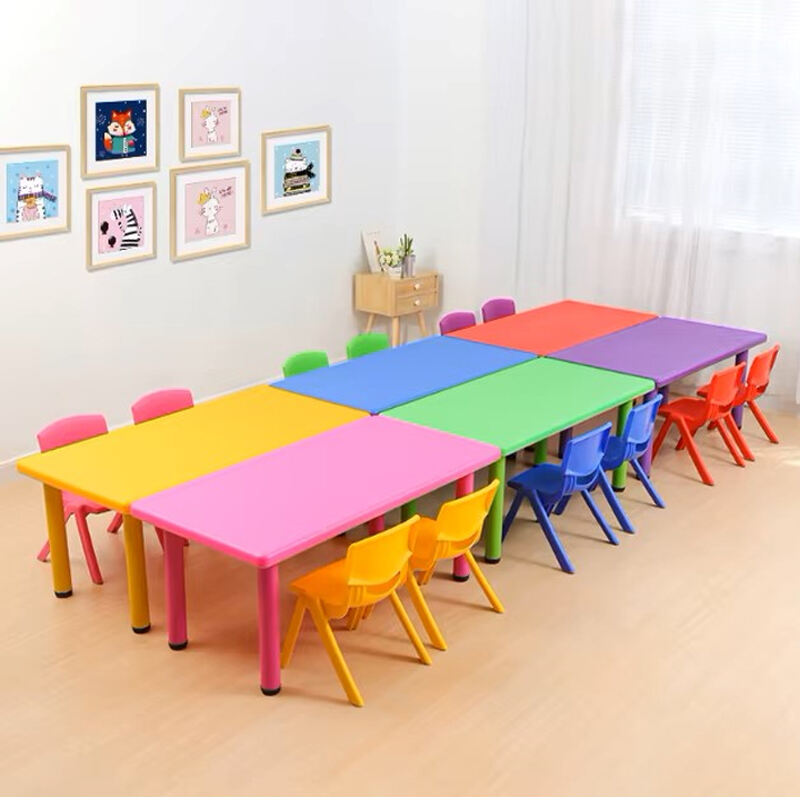
Developmental Fit: Why Kindergarten Desk and Chair Sets Must Match Children's Growth Stages
Cognitive, motor, and social milestones driving proportional sizing needs
Getting the right size for kindergarten desks and chairs matters a lot because kids grow so fast during this stage. Studies point out something pretty concerning too – around 8 out of 10 kids sit at desks that are just too tall for them according to Applied Ergonomics from back in 2006. When little ones have to reach up or stretch their arms awkwardly over these big desks, it messes with how they develop those important hand skills. Good sized furniture lets children maintain that natural bend in their knees and elbows at about 90 degrees, which isn't just comfortable but actually helps them focus better on learning activities, interact properly with classmates, and build those essential movement abilities we all need.
- Cognitive engagement: Correct desk depth allows forearm support during writing activities
- Social interaction: Appropriately scaled furniture fosters eye-level peer collaboration
- Motor development: Feet-flat floor contact builds balance during seated tasks
How improper seat height or desk depth undermines posture, focus, and independence
Getting furniture sizes wrong leads to all sorts of problems down the line. If chairs are too high for what's comfortable behind the knee area, about seven out of ten kids end up with compressed thighs, which cuts off circulation and makes them feel tired sitting there. The result? Students pay attention less during class time, struggle to find their own seating spot because the seats go too far back, and develop bad posture as they slouch forward when working at desks that push their shoulders up unnaturally. Research shows that having desks and chairs that fit right can cut down on bodily discomfort by nearly a quarter. More importantly, this kind of setup lets young children maintain control over their space, something absolutely essential for creating those positive learning experiences we want in kindergarten classrooms.
Ergonomic Design in Desk and Chair Sets: Supporting Posture, Movement, and Attention
Height-adjustable and dynamic seating options for active, healthy sitting
Good quality desks and chairs for kindergartens should be adjustable so they can grow with the kids. When kids get taller, their feet need to touch the ground properly and their arms should reach the desk comfortably. This helps prevent back problems later on when they spend long periods at their seats. Some chairs have special features too, like wobbly bases or backs that move a bit. These let children wiggle around just enough while still sitting upright. The constant small movements actually help build core strength over time. Most teachers know that little ones simply cannot stay still for very long anyway. So having furniture that accommodates this natural tendency makes sense both for comfort and learning effectiveness throughout the day.
Evidence-based benefits: stronger core engagement and longer on-task behavior
Kids who sit at desks and chairs that fit them right tend to stay on task about 12 to 18 percent longer according to CDC research from 2023, probably because they're not constantly fidgeting or adjusting their position. When chairs have those curved seats and good lower back support, they spread out body weight better which actually works the stomach muscles when kids lean forward for things like writing assignments or art projects. This kind of ongoing core activity seems to help with hand-eye coordination and keeping good posture habits, something teachers know is really important for reading and writing skills as well as just being able to handle themselves independently in class throughout the day.
Safety and Durability: Non-Negotiables in High-Traffic Kindergarten Desk and Chair Sets
Tip-resistance, non-toxic materials, and ASTM-compliant construction
Safety is absolutely essential when it comes to kindergarten furniture design. Furniture that won't tip over has become increasingly important, especially since studies show these designs cut down on tipping accidents by nearly half during playtime according to the Classroom Safety Report from last year. Plus, using materials that meet GREENGUARD Gold standards means kids aren't breathing in harmful chemicals commonly found in regular plastics. Manufacturers who follow ASTM F1858-22 standards have their products tested thoroughly for strength and durability before they ever reach a classroom setting. These tests cover everything from how well chairs hold up under normal use to whether tables can withstand accidental bumps without breaking apart.
| Safety Feature | Risk Mitigated | Testing Standard |
|---|---|---|
| Rounded corners | Impact injuries | ASTM F963-17 |
| Non-slip rubber feet | Tripping hazards | EN 1729 stability tests |
| Low-VOC laminate | Respiratory irritation | GREENGUARD Gold |
| Reinforced leg joints | Collapse under dynamic loads | 100kg vertical load test |
These features collectively address the unique hazards of early-learning settings where unpredictable movements are common.
Real-world durability: laminate wear resistance and joint integrity under daily use
What really matters when looking at desk and chair sets goes beyond just having those fancy certifications on paper. How they hold up day after day in actual classroom conditions is what defines good quality from average stuff. The best ones have these tough laminate tops that can take years of harsh cleaners and all sorts of messy art projects without peeling off. And don't get me started on those wobbly desks everyone hates - proper mortise and tenon joints keep things solid and stable. According to some tests published last year in Education Facilities Journal, furniture that keeps 95% of its strength even after 5,000 times of being loaded and unloaded cuts down on replacement costs by almost two thirds compared to cheaper options. Schools save money this way, but more importantly students aren't constantly dealing with broken chairs or desks during lessons.
Classroom Flexibility: Modular, Mobile, and Color-Coded Desk and Chair Sets
Nesting, stacking, and caster-equipped designs for activity-based learning zones
Kindergarten classrooms today need furniture that can switch back and forth between group work and solo tasks real quick. Teachers love stackable chairs and those desks that nest together because they free up floor space in less than half a minute. And those wheeled furniture sets? They just roll right across the room between different learning areas without anyone breaking a sweat. The lightweight modular stuff lets kids help rearrange things too, which teaches them about ownership and working together when moving from circle time to their project spots. According to some research from the Early Education Journal last year, classrooms using this kind of movable setup cut down transition time by around 40%. That means teachers get more actual teaching done, and every corner of the classroom becomes useful for helping kids develop properly.
Color psychology and visual scaling: how coordinated sets support autonomy and flow
Using color coded desks and chairs helps little kids navigate around the classroom without getting confused. Different colors actually affect how children behave too. When kids sit in blue or green areas, they tend to calm down and focus better during story time. The yellow and orange spots are where all the action happens though, because those warm colors seem to spark creativity and teamwork among students. Having consistent colors everywhere makes it easier for kindergarteners to find their own spot without needing constant reminders from teachers. Research shows classrooms with this system see about a 28 percent boost in completed tasks since kids don't waste time figuring out where things go (Child Development Institute found this in 2023). Teachers who organize their rooms with matching color sets notice smoother transitions between different parts of the day. Kids just know instinctively where to go next when everything follows a clear color pattern.
FAQ
Why is selecting the right desk and chair set for kindergarten so important?
Choosing the correct desk and chair set is vital because children's bodies are rapidly growing, and having furniture that fits them supports their posture, focus, and motor development.
How does color-coded furniture affect classroom dynamics?
Color-coded furniture helps kids navigate the classroom more easily, reduces confusion, and influences behavior, with certain colors promoting focus and others encouraging creativity and teamwork.
Are adjustable chairs necessary in kindergarten?
Yes, adjustable chairs accommodate growing children by ensuring their feet touch the floor and their arms reach comfortably, preventing back issues and promoting healthy sitting habits.
Table of Contents
- Developmental Fit: Why Kindergarten Desk and Chair Sets Must Match Children's Growth Stages
- Ergonomic Design in Desk and Chair Sets: Supporting Posture, Movement, and Attention
- Safety and Durability: Non-Negotiables in High-Traffic Kindergarten Desk and Chair Sets
- Classroom Flexibility: Modular, Mobile, and Color-Coded Desk and Chair Sets
- FAQ