 EN
EN

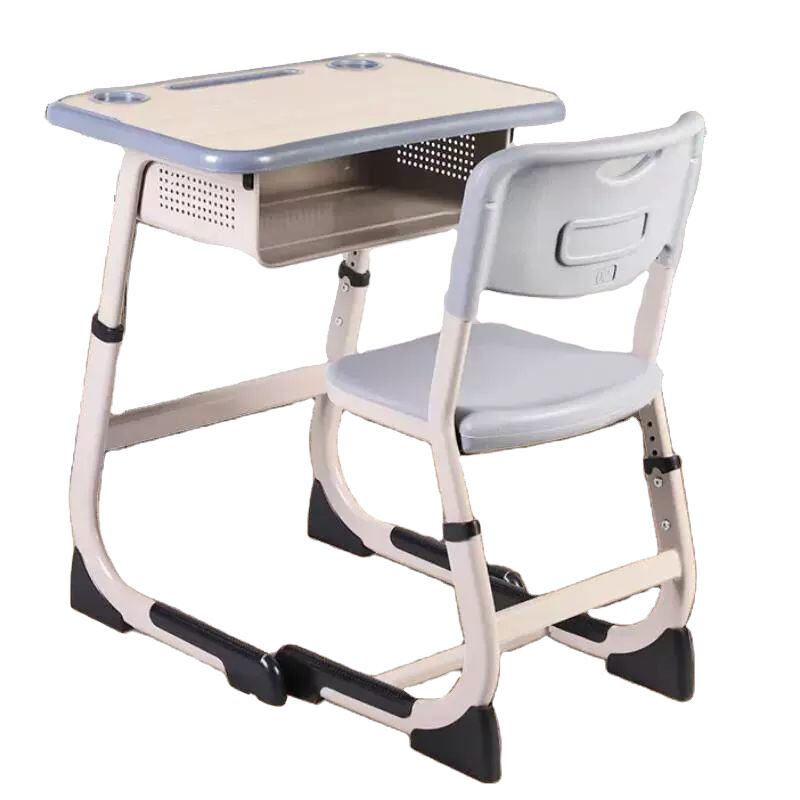
Ergonomic Support: Why Lumbar Alignment Is Non-Negotiable for Student Chairs
The Science Behind Spine Support During Extended Study Sessions
Sitting for long periods tends to flatten the natural curve in the lower back, increasing pressure on spinal discs by around 40% compared to when standing. That's pretty worrying considering many students spend well over six hours each day sitting down. When this happens, muscles start to tire faster, nerves get irritated, and people unconsciously adopt awkward postures that just make things worse over time. Research from the American Chiropractic Association shows something interesting though: desks with proper lumbar support can cut lower back discomfort by about 35% during those marathon study sessions. From a mechanical standpoint, these supports help maintain the spine's natural S shape, spreading weight more evenly across the body and taking some of the constant toll off muscles and joints.
How Adjustable Lumbar Depth Outperforms Fixed Padding in Real-World Use
Most fixed lumbar pads just don't sit right on different body shapes. They tend to end up either too high, too low, or not deep enough to actually support the natural curve of the lower back. Adjustable options offer something completely different though. Students can tweak how far back the pad sits and where it hits vertically based on their own torso length and how their pelvis naturally tilts when sitting. Real world testing shows these adjustments make a difference. People using adjustable supports say they feel 28% less pain after spending two hours studying straight through. The main perks? Each person gets a custom fit that stays put even when moving around a bit, plus studies from Ergonomics International found spinal pressure drops by about 19%. Static padding is another story entirely. It pushes people into stiff, uncomfortable positions they can't maintain for long. Good adjustable support keeps things aligned properly no matter what position someone shifts into while working on different tasks throughout the day.
Desk-Chair Integration: Optimizing Seat Height and Armrests for Student Chairs
Proper desk-chair integration isn't just about comfort—it's foundational to posture, circulation, and cognitive stamina. Misalignment between seat height and desk elevation forces students into compensatory habits like shoulder hunching or neck craning, accelerating musculoskeletal fatigue and undermining sustained focus.
Matching Seat Height to Desk Ergonomics to Prevent Shoulder and Neck Strain
When sitting properly, the ideal chair height should position the thighs parallel to the ground with both feet flat on the floor and knees bent around 90 degrees. Desk surfaces need to sit at elbow level when arms are relaxed but slightly bent, somewhere between 70 to 110 degrees works well. This setup helps keep the spine in its natural curve and reduces strain on those muscles at the back of the neck and shoulders. Research shows students who use desks set up according to these guidelines experience about 27% fewer instances of numbness and tingling sensations during their 50 minute classes. The data suggests that getting the vertical positioning right actually benefits blood flow to nerves and helps maintain focus over longer study sessions.
Armrest Adjustability and Its Role in Sustained Postural Stability
Armrests that can be adjusted play a big role in keeping our upper bodies stable while we work. Studies show these adjustable features cut down on trapezius muscle tiredness by about 38% when taking notes or typing at a keyboard. Setting them around elbow level helps keep shoulders relaxed without stopping those small movements that are so important for good blood circulation and healthy joints. The problem comes with fixed armrests that push shoulders up in unnatural ways. Most people start feeling uncomfortable within an hour or so, which leads to constant readjustments throughout the day. For students who spend hours on end studying or working on projects, having proper support isn't just nice to have anymore. It's actually pretty much necessary if they want to stay physically comfortable and keep their minds focused on what matters.
Thermal Comfort: How Breathable Mesh Backrests Enhance Focus in Student Chairs
Why Foam-Backed Student Chairs Fail After 90 Minutes of Study
Student chairs with foam backing tend to turn into heat traps when someone sits there for too long. The material doesn't breathe well at all, so it holds onto body warmth and sweat right against the skin. After about an hour and a half, the seat gets noticeably warmer maybe around 2 degrees Fahrenheit hotter than when they started sitting. When this happens, people start fidgeting, shifting positions constantly, and feeling tired way sooner than expected. All these little distractions break focus and make getting work done much harder. For students who need to maintain their concentration throughout classes or study sessions, this uncomfortable warmth creates unnecessary obstacles in their minds. It adds extra strain on top of whatever else they're already thinking about, without actually helping them learn better or stay comfortable.
ANSI/BIFMA Data: Airflow Performance of Mesh vs. Fabric Backrests
Independent testing by the American National Standards Institute/Business and Institutional Furniture Manufacturers Association (ANSI/BIFMA) confirms mesh's superior thermal performance. Their 2023 ergonomic assessment shows:
| Material | Airflow Rate | Heat Reduction | Moisture Retention |
|---|---|---|---|
| Mesh | 62% higher | 2.3°F cooler | 68% lower |
| Fabric | Baseline | Reference | 100% higher |
| Foam | 41% lower | 3.1°F warmer | 220% higher |
The open-weave architecture of mesh backrests enables continuous airflow, preventing heat accumulation and supporting thermoregulation. In climate-controlled studies, students using mesh-backed chairs reported 34% fewer focus interruptions—demonstrating that thermal comfort isn't secondary to ergonomics; it's inseparable from it.
Cushioning That Lasts: High-Density Foam and Pressure Distribution in Student Chairs
Regular low density foam cushions tend to break down pretty fast these days, often getting flat after just a few months of regular use. Students end up constantly shifting positions because their seats no longer provide adequate support. High density polyurethane foam with densities around 1.8 to 2.5 pounds per cubic foot stands out as a much better option though. The cells in this type of foam are packed tighter together, so when someone sits on it, the weight gets spread across the pelvis area instead of concentrating in one spot. This helps eliminate those annoying pressure points that lead to numbness, tired legs, and poor posture. Some studies indicate that good pressure distribution can cut down on sitting discomfort by roughly 40 percent over long periods. Another big plus is how high density foam bounces back completely after each use, which means no permanent dents form over time. When paired with breathable materials like mesh or certain fabrics, these foams maintain their shape while also helping regulate body temperature. For anyone spending six hours or more at their desk every day, this kind of seating setup creates a solid base that supports proper alignment, keeps mental focus sharp, and actually protects the spine over years of use.
Recline Functionality: A Double-Edged Feature for Student Chairs
Recline mechanisms offer tangible ergonomic benefits—but only when used intentionally. Unchecked tilting undermines posture and focus; calibrated recline enhances circulation and reduces fatigue.
When Recline Supports Learning—and When It Undermines Concentration
Sitting back at around 15 degrees takes pressure off those lower back discs and actually helps keep blood flowing through small movements in the spine, which is great when watching long videos or doing heavy reading sessions over 90 minutes. But go past about 20 degrees and things start going downhill fast what we call the slouch cascade happens. The hips tend to creep forward, the lower back loses support, shoulders hunch up, and the neck gets all strained trying to follow whatever's on screen or in notes. People who sit like this report feeling tired muscles much quicker, sometimes up to 25-30% faster fatigue rates, plus they have to constantly adjust their eyes which makes concentration drop over time. Studies show taking short breaks every hour or so where someone sits upright again can really help refresh the brain, but staying tilted back while writing essays or studying for exams just creates too much instability that makes it hard to stay focused. For serious work requiring deep concentration, chairs with fixed recline settings work best. On the other hand, adjustable tilt mechanisms are better suited for more active learning situations. When teaching kids about seating angles, it helps to explain that sitting straight is ideal for writing tasks, while a gentle lean back works better for listening to lectures or following along with presentations. Getting this right balances comfort with actual learning results.
FAQ
Why is lumbar support important for student chairs?
Proper lumbar support helps maintain the natural S shape of the spine, reducing strain on muscles and nerves and increasing comfort and focus during long study sessions.
How does adjustable lumbar depth benefit users?
Adjustable lumbar supports allow users to customize the position and depth of the support, resulting in greater comfort and reduced pain during prolonged sitting.
What is the ideal desk and chair height for students?
The ideal setup allows the thighs to be parallel to the ground with feet flat, and desk height should position the elbows at a 70 to 110-degree angle when arms are relaxed.
Why is mesh preferred over foam or fabric for backrests?
Mesh backrests provide better airflow and thermoregulation, reducing heat build-up and moisture retention, thus improving comfort and focus.
Table of Contents
- Ergonomic Support: Why Lumbar Alignment Is Non-Negotiable for Student Chairs
- Desk-Chair Integration: Optimizing Seat Height and Armrests for Student Chairs
- Thermal Comfort: How Breathable Mesh Backrests Enhance Focus in Student Chairs
- Cushioning That Lasts: High-Density Foam and Pressure Distribution in Student Chairs
- Recline Functionality: A Double-Edged Feature for Student Chairs