 EN
EN

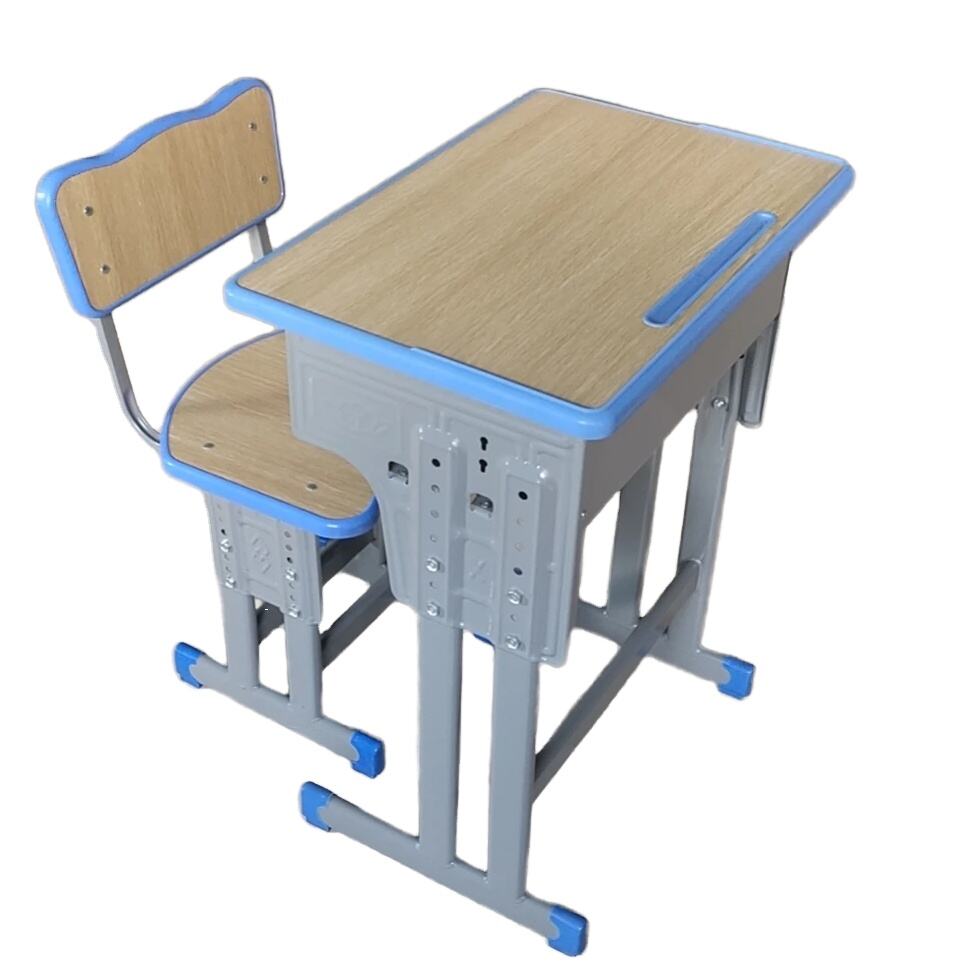
Core Ergonomic Features of Modern Classroom Desks
Height Adjustability for Dynamic Posture Support Across Age Groups
Classroom desks these days come with adjustable heights so they work for kids all the way from kindergarten right up to high school. When students sit at desks that match their body size properly, with both feet planted firmly on the ground and elbows bent around 90 degrees while writing, it cuts down on back pain by about 40% when compared to those old fixed height desks. A recent study published in Ergonomics Journal backs this up from last year. Getting the right desk setup stops teenagers from slumping over their books and means little ones don't have to stretch up to reach the surface anymore. Many forward thinking schools are now adding desks that let students switch between sitting and standing positions throughout the day. These desks help kids change positions roughly every half hour, which fights off tiredness and keeps them focused longer during those long class periods that seem to drag on forever sometimes.
Tilting Desktops and Integrated Footrests for Active Sitting and Circulation
Desktops angled between 5 and 20 degrees really help improve how people sit when reading or writing, cutting down on neck bending by around 30%. When combined with those rounded front edges that take pressure off forearms, folks report feeling much less uncomfortable after sitting for long periods. The built-in footrests make all the difference for shorter students too, keeping their posture stable while allowing small movements of the legs that actually boost blood flow by about 15%, according to research from Pediatric Health in 2023. What we call "active sitting" gets the core muscles working and turns that fidgety energy kids have into gentle motions instead of just bouncing out of their seats. These desks aren't just furniture anymore; they're becoming smart learning spaces that respond to how bodies actually move.
Engineering Stability: Structural Integrity in Classroom Desks
Reinforced Metal Frames and Anti-Tip Geometry for Safety and Durability
Today's classroom desks stay stable thanks to strong steel or aluminum frames built to handle sideways pushes of around 200 Newtons. The legs are spread wider apart, there's extra bracing across the frame, and weight is distributed so the desk sits lower to the ground even when students adjust heights or move around. For safety certifications, these desks need to stand firm at a 15 degree angle while carrying the weight of an average student sitting on them. Schools report about 60% fewer tipping accidents since this became standard practice according to recent safety checks. Compared to older models that took up more space, modern desks can take hits from objects weighing up to 250 kilograms without bending or breaking. What really matters is that they remain solid no matter what height setting they're at. Special adjustable feet help level out desks on floors that aren't perfectly flat, which stops annoying wobbles and dangerous pinch points when teachers rearrange classroom layouts.
Standards-Driven Sizing: How ANSI/BIFMA and EN 1729 Shape Classroom Desk Dimensions
Classroom desks need to fit all sorts of body types and stay safe at the same time, which is why international standards matter so much. The EN 1729 standard from Europe actually breaks things down into six different sizes depending on how tall kids are and their age group. Part 1 gets really specific about measurements like seat depth needing to be at least 340mm for teens and certain clearance requirements above the desk surface. Meanwhile over in America, there's this other standard called ANSI/BIFMA X5.5-2021 that looks at whether desks will tip over when someone leans on them or puts weight on them. It requires desks to handle around 225 pounds straight down without collapsing and also resist sideways forces. Schools that follow these guidelines tend to see about 41% fewer injuries related to posture problems according to some research from Ponemon Institute last year. When students sit at desks that match their bodies properly, it helps keep their backs straight and legs positioned naturally. Big furniture companies test their designs against local body measurement data to make sure most people can use the desks comfortably. This approach cuts down on guessing games when buying school furniture and helps prevent back issues later in life for students.
Material Selection and Long-Term Performance of Ergonomic Classroom Desks
Powder-Coated Steel vs. Reinforced Polypropylene: Balancing Stability, Weight, and Lifespan
What material gets chosen makes all the difference when it comes to how long something lasts, how easy it moves around, and what kind of upkeep it needs. Steel frames that have been powder coated are super rigid. Tests in labs found these frames only wobble about 80% less than lighter materials do. That's why schools and other places where things need to stay put really prefer them. The downside? These steel frames weigh quite a bit more too maybe as much as 30% heavier than plastic ones which means moving them around classrooms can be a chore sometimes. On the flip side, reinforced polypropylene takes hits better and absorbs vibrations well enough that accidental drops won't break it. Plus, units made from this stuff end up being roughly 40% lighter overall. The molded surface doesn't scratch easily either and stands up pretty good against chemicals most cleaning products throw at it. But watch out for those sharp corners pressing down on one spot for too long because after about five years of constant use, the surface might start showing some wear. With proper care both types last about ten years give or take. Schools tend to pick steel when they want rock solid seating arrangements and go for polypropylene where flexibility matters more like in classrooms that rearrange themselves frequently throughout the day.
FAQ
Why do modern classroom desks have adjustable heights?
Adjustable heights allow desks to accommodate students of various age groups and body sizes, ensuring proper posture and reducing back pain.
How do tilting desktops and footrests contribute to ergonomic seating?
Tilting desktops reduce neck bending, while integrated footrests promote active sitting and circulation by encouraging small movements.
What materials are commonly used in ergonomic classroom desks?
Powder-coated steel and reinforced polypropylene are popular materials, with steel offering stability and polypropylene providing lightweight flexibility.