 EN
EN

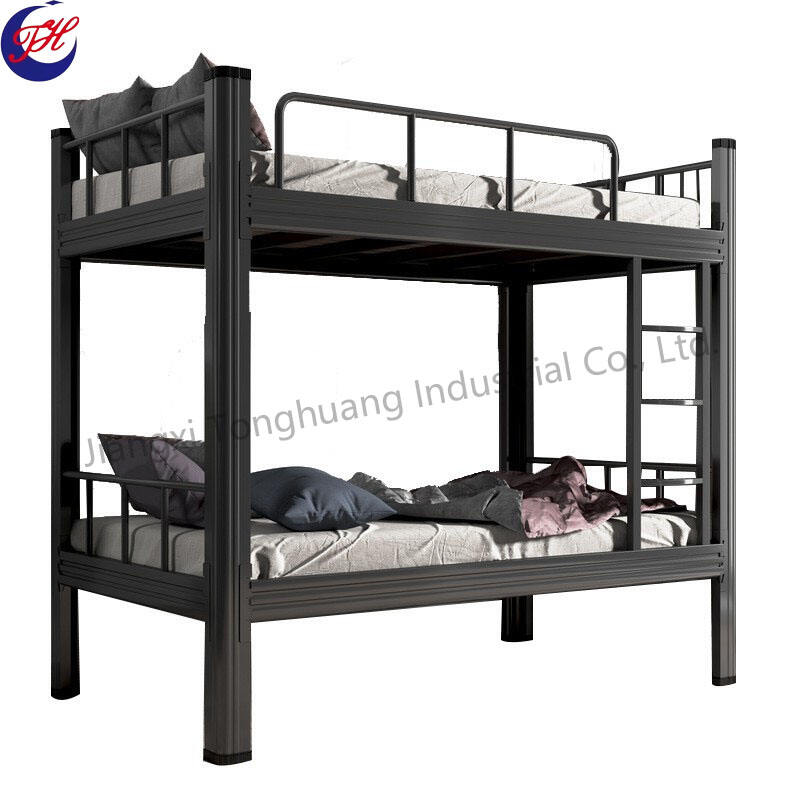
Why Durability Is the Top Priority for Dorm Bunk Beds
High-turnover reality: 5–7 years of continuous multi-user stress in campus housing
Bunk beds in student dorms need to be built like they're meant for commercial use rather than just home living. These beds get used almost nonstop across five to seven semesters, so the metal frames take a beating way beyond what regular household furniture experiences. Think about it: each bed goes through hundreds of different people with all sorts of body types and sleeping habits, which really wears down those connecting points, screws, and support bars over time. Private homes aren't like this at all since furniture usually sits empty when someone moves out. But dorm beds? They never get a break from constant use day after day. That's why manufacturers have to design these beds with extra strength in mind, reinforcing them properly so they don't start showing signs of wear too soon and keep students safe throughout their stay.
Metal vs. wood bunk beds: failure rate data and lifecycle cost implications (NCHC 2022)
Material choice directly impacts durability and long-term costs. The 2022 National Campus Housing Council (NCHC) study highlights clear advantages for metal:
| Metric | Metal Bunk Beds | Wood Bunk Beds |
|---|---|---|
| Annual failure rate | 1.8% | 6.3% |
| 7-year maintenance cost | $220/bed | $490/bed |
| Service life extension | 40% beyond warranty | 15% beyond warranty |
Metal frames resist joint loosening, frame twisting, and finish degradation—even after repeated reassembly. While wood offers aesthetic appeal, NCHC data shows metal reduces lifecycle costs by 55% over seven years, despite higher upfront pricing. For institutional buyers, ASTM-certified steel construction is essential to minimize replacements and safety risks.
Structural Integrity: What Real-World Bunk Bed Durability Requires
ASTM F2537 certification: why third-party weight testing matters more than marketing claims
When it comes to dormitory bunk beds, getting an ASTM F2537 certification should be a must have for anyone serious about safety. What makes this standard so important? Well, it actually tests how well these beds hold up under stress. They simulate something like a 400 pound impact force during their evaluations, which basically recreates what happens when students jump around on them after late night study sessions. Without proper certification, most beds just don't last long enough on college campuses before they start showing signs of wear and tear. Marketing buzzwords such as "heavy duty" mean nothing compared to what ASTM F2537 really measures. This certification shows concrete evidence that the bed can withstand all sorts of rough treatment from kids climbing up awkwardly, making sudden moves, or accidentally bumping into things during those chaotic moments between classes.
Bolted joints over welded frames: serviceability, inspection access, and long-term stability
Bolted connections outperform welded frames in institutional settings. Unlike permanent welds that hide internal cracks, bolted joints allow:
- Routine torque checks and adjustments during maintenance
- Replacement of fatigued components after years of use
- Clear visual inspection for stress fractures or metal fatigue
Welds may appear stronger initially but can fail catastrophically without warning. Bolted systems maintain alignment through seasonal temperature changes—especially important in non-climate-controlled dorms—ensuring lasting stability and safer long-term performance.
Material Quality: Steel Gauge, Finish, and Environmental Resilience
14-gauge steel explained: deflection resistance under dynamic 400-lb loads (UL-compliant benchmarks)
The thickness of steel matters quite a bit when it comes to durability. Most institutions stick with 14-gauge steel, which measures around 0.075 inches thick. The lower the gauge number, the thicker the metal gets, so 14-gauge stands up pretty well against bending from constant use. Manufacturers run hydraulic tests that mimic actual conditions in college dorms where dozens of students might pile onto beds simultaneously or shift positions repeatedly throughout the day. These tests help confirm that bed frames maintain their shape even after years of wear and tear. When looking at thinner options like 16 gauge steel and beyond, they tend to bend about 15 percent more under similar weight loads. That kind of deflection can lead to problems down the road as structural integrity starts to degrade over time.
Powder-coated vs. galvanized finishes: corrosion protection for humid, high-cleanliness dorm environments
The constant moisture and regular disinfecting routines in dorm buildings really take their toll on metal surfaces over time. Powder coating actually forms a stronger connection with steel at a molecular level compared to traditional galvanization methods, which helps it stand up better against those harsh cleaning chemicals we see everywhere these days. According to field tests, most powder coated frames still look pretty good after around seven years of being sanitized day after day, maintaining about 98% of their original surface quality. When looking at coastal college campuses specifically, there's something special about pairing zinc rich primers with powder coatings that makes them three times more resistant to salt spray than regular galvanized options. This combination works wonders for keeping equipment looking sharp even when exposed to seawater air and other tough environmental factors common near shorelines.
Safety, Compliance, and Risk Mitigation for Institutional Bunk Bed Procurement
Institutional bunk bed procurement must prioritize safety compliance to reduce liability. Models must meet ASTM F1427 and CPSC standards, which mandate 5-inch minimum guardrail heights and gaps no wider than 3.5 inches to prevent entrapment. Non-compliant units increase injury risk by 62% (Consumer Reports 2023), exposing institutions to legal and regulatory consequences.
Key risk-reduction strategies include:
- Third-party certification validation: Require current test reports from accredited labs
- Pre-installation inspections: Confirm structural integrity and finish quality before assembly
- Staff training protocols: Train maintenance teams on CPSC-recommended monthly checks for loose fasteners, guardrail stability, and proper mattress fit
Facilities that implement documented inspection cycles reduce repair costs by 34% compared to reactive approaches (FacilitiesNet 2022). Embedding compliance and maintenance requirements into procurement contracts ensures ongoing safety and cost efficiency.
Long-Term Value: Maintenance, Modularity, and Future-Proofing Your Bunk Bed Investment
Modular Design and Replaceable Components: Extending Bunk Bed Lifespan Beyond 7 Years
Bunk beds built with modular components tend to last much longer since they let folks replace just what breaks rather than tossing out the whole unit when something goes wrong. The usual suspects that break down first in college dorm settings are things like ladder rungs, those protective rails around the top bed, and the wooden slats themselves. With older style beds, if any single component fails, students end up stuck with an unusable bed most of the time. That typically means replacing everything every five to seven years give or take. But modular designs cut down on all that wasted material because parts follow standard sizes and can simply be swapped out. When a slat gets damaged or a guardrail becomes loose, it's just a matter of grabbing a new piece from inventory and fixing it right away. Some campus housing departments have seen their maintenance budgets drop significantly over time thanks to this approach. Colleges that switched to modular systems are now seeing these beds stay functional for well over a decade with regular checkups during summer breaks. The money saved gets redirected elsewhere, and safety standards remain intact throughout the extended lifespan of these sleeping arrangements.
FAQ
Why is durability essential for dorm bunk beds?
Due to the high turnover in campus housing, dorm bunk beds undergo continuous, multi-user stress for several years, requiring greater durability than typical home furniture.
What are the benefits of metal over wood bunk beds based on NCHC 2022 data?
Metal beds have a lower failure rate, reduced lifecycle costs, and a longer service life compared to wood bunk beds, according to the NCHC 2022 study.
Why is ASTM F2537 certification important for dormitory bunk beds?
ASTM F2537 certification ensures bunk beds can withstand the stress encountered in dormitory use, providing a reliable standard over mere marketing claims.
What makes powder coating preferable over galvanization for bunk beds?
Powder coating offers superior corrosion resistance and durability, particularly in humid and high-cleanliness environments like dorms, compared to traditional galvanization.
Table of Contents
- Why Durability Is the Top Priority for Dorm Bunk Beds
- Structural Integrity: What Real-World Bunk Bed Durability Requires
- Material Quality: Steel Gauge, Finish, and Environmental Resilience
- Safety, Compliance, and Risk Mitigation for Institutional Bunk Bed Procurement
- Long-Term Value: Maintenance, Modularity, and Future-Proofing Your Bunk Bed Investment
- FAQ