 EN
EN

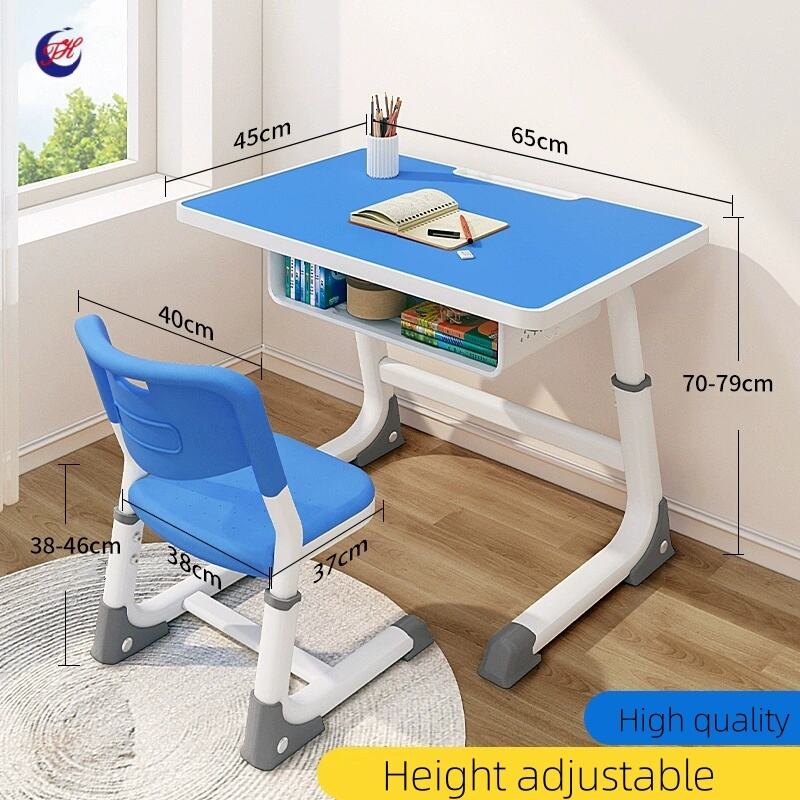
Top Low-Maintenance School Chair Materials
Molded Plastic and Polypropylene: The Gold Standard for Easy-Clean School Chairs
Most schools today are going with those non-porous plastic and polypropylene chairs because they're so easy to clean. The smooth surface just wipes right down, keeping liquids from soaking in and stopping bacteria from getting through. Think about it compared to those old fabric covered ones that absorbed everything. Studies indicate teachers spend around 70 percent less time cleaning these plastic chairs each day compared to the upholstered versions. And they stand up against all sorts of classroom messes like spilled ink, sticky glue marks, and food stains. Plus these chairs are light enough to move around but tough enough for regular stacking. They don't break down when hit with disinfectants again and again, something wooden furniture can't handle as well when wet stuff keeps getting on them. Since there's nowhere for dirt to hide between the seams, most school districts report getting anywhere from five to eight years out of these chairs even when staff clean them aggressively multiple times per week.
Metal Frames and Laminate Surfaces: Combining Strength with Effortless Wipe-Down Care
Steel frames with powder coating combined with high pressure laminate (HPL) surfaces offer remarkable durability and require minimal maintenance. The metal finish resists corrosion even after repeated disinfectant applications, and the industrial strength laminate tops can handle heat from laptop computers and chemicals used in art classes without showing damage. Research indicates that laminate surfaces maintain their look about three times longer than regular painted surfaces when cleaned regularly throughout the day. What makes these materials stand out compared to wood is their complete resistance to moisture absorption. The seamless edges stop liquids from getting inside where they would otherwise cause warping, peeling layers, or mold development over time.
Why Non-Upholstered School Chairs Reduce Cleaning Time and Cost
School chairs without fabric covering make life easier for janitorial staff since they don't have those fabric parts where dirt, germs, and dampness tend to stick around. When something gets spilled on plastic or metal surfaces, it just rolls off instead of soaking in, so cleaning takes mere seconds per seat. According to reports from school facilities departments, this approach saves roughly 40% of cleaning time each day in busy spots such as lunchrooms and computer centers. Schools save money too because they don't need to spend on special cleaning gear, chemical solutions safe for fabrics, or replacing worn out seats at about $240 apiece every few years. Chairs made without fabric weave prevent allergens from building up over time, which helps keep classroom air cleaner overall. Maintenance costs drop significantly compared to cushioned alternatives, though exact savings vary depending on how often these chairs get used across different schools.
| Maintenance Factor | Non-Upholstered Chairs | Upholstered Chairs |
|---|---|---|
| Avg. Cleaning Time | 20–30 seconds | 2–4 minutes |
| Stain Removal | Single wipe | Multiple treatments |
| Lifespan Cost | 40–60% lower | Higher replacement cycles |
| Bacteria Retention | Surface-only | Deep fabric penetration |
Step-by-Step Cleaning Protocols for Common School Chair Materials
Daily Wipe-Downs for Plastic and Polypropylene School Chairs
Cleaning plastic and polypropylene chairs doesn't take much time really just a few minutes each day. Start by dusting off any loose particles, then grab a microfiber cloth soaked in warm water mixed with a drop or two of mild dish soap. For those tough spots that won't budge, try making a paste from baking soda and water. Let it sit for a minute or so before rinsing everything down well and drying right away to keep water spots from forming. If something gets spilled on the chair, better to deal with it while it's still wet rather than wait until later when stains might set in. Following this basic cleaning schedule helps keep the chairs looking good longer and cuts down on grime accumulation between thorough cleanings.
Safe Metal and Laminate Care: Preventing Corrosion and Finish Damage
Metal-framed and laminate chairs require targeted care to maintain longevity. Avoid abrasive cleaners that compromise protective coatings. Instead:
- Wipe surfaces with a pH-neutral cleaner
- Dry immediately with an absorbent cloth
- Apply a furniture-grade wax sealant to laminate surfaces quarterly
For metal joints, apply silicone lubricant once per year to prevent squeaking. Never allow standing water—corrosion can begin within hours on unprotected metal alloys. These practices extend chair service life by 40%, per facility maintenance benchmarks.
Targeted Stain Removal for High-Traffic Classroom Contaminants
Removing Gum, Permanent Marker, Grease, and Paint from Non-Porous School Chair Surfaces
Cleaning non porous plastic and laminate surfaces in classrooms isn't as hard as people think when dealing with common messes. Got stuck with gum? Try freezing it solid with an ice pack for about 15 minutes first before trying to pry it loose with something like a plastic spatula. Permanent markers can be tricky but work wonders with good old rubbing alcohol (make sure it's at least 70%) dabbed onto a microfiber cloth and rubbed in circles. When grease hits fast, act fast too! Blot up what you can right away, then mix baking soda with water into a thick paste. Let sit for around ten minutes, give it a gentle scrub, and wash away. Fresh latex paint comes off easily enough with just warm soapy water. But if it's already dry, need patience. Carefully scrape away what's possible with a plastic scraper, then finish up with some rubbing alcohol. And remember folks, always spot test cleaners somewhere nobody will notice first these techniques get rid of most classroom grime without harming those precious chair surfaces.
FAQ Section
What makes molded plastic or polypropylene chairs easy to clean?
Their non-porous surfaces allow for liquids and bacteria to be wiped off easily without seepage, unlike fabric-covered chairs.
How often should wax sealant be applied to laminate surfaces?
A furniture-grade wax sealant should be applied quarterly to maintain laminate surfaces.
What is the best way to remove gum from school chairs?
Freeze the gum using an ice pack for about 15 minutes before prying it off with a plastic spatula.