 EN
EN

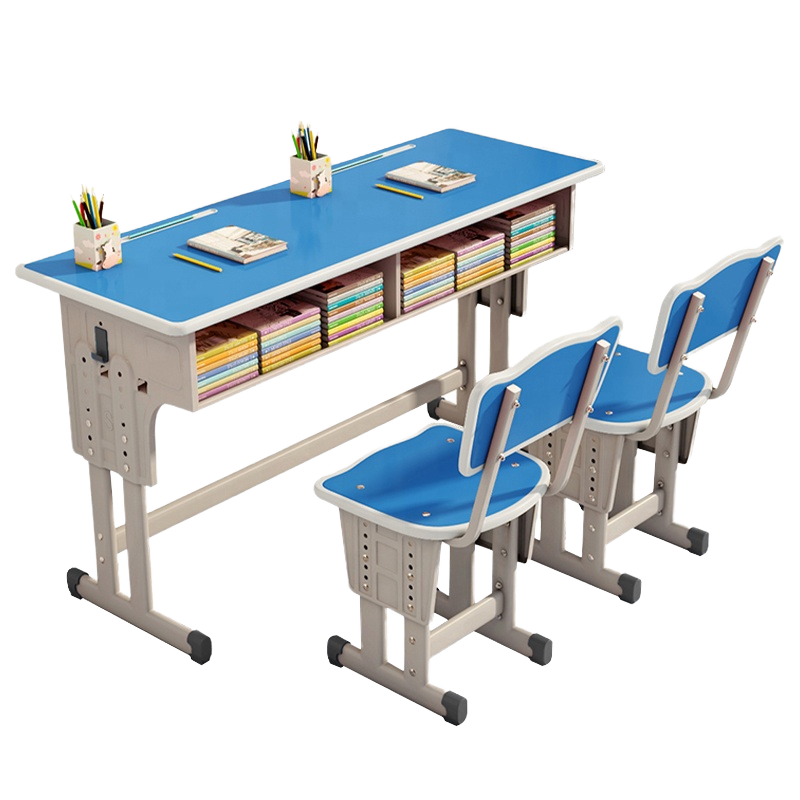
Key Durability Benchmarks for Student Chairs in High-Traffic Classrooms
Defining durability: Load capacity, cycle testing, and real-world classroom stressors
When we talk about durability, it goes way beyond just lasting several years before breaking down. Student seating needs to handle constant wear and tear far beyond what simple weight ratings suggest. Most industry guidelines require at least 250 pounds (about 113 kilograms) capacity for middle school and high school furniture, though actual classroom conditions often push these limits much harder. Manufacturers run extensive testing where they basically bang on chairs thousands of times to mimic what happens when kids sit down, stand up, lean back, and generally treat them like playground equipment over the course of ten school years or more.
- Stack-dropping from 3 ft for 50,000 cycles to assess joint integrity
- Seat-back thrusts replicating dynamic teen movements
- Surface abrasion scored with steel wool to measure scratch resistance
Leading manufacturers now subject chairs to “stress multipliers” like cafeteria spills, backpack collisions, and uneven floor dragging. Chairs failing these tests often develop premature weld fractures or cracked shells within three years—costing schools up to $740,000 annually in replacements per 1,000 seats.
Certified performance standards: BIFMA X5.1 and EN 1729 explained for educators
Beyond manufacturer claims, third-party certifications like BIFMA X5.1 (U.S.) and EN 1729 (EU) provide objective validation of structural integrity and ergonomic suitability. These standards evaluate:
| Test Parameter | BIFMA X5.1 Requirement | EN 1729 Requirement | Classroom Relevance |
|---|---|---|---|
| Static Load | 250 lb (113kg) concentrated | 110kg uniform distributed | Supports growing students |
| Cycle Fatigue | 100,000 seat-drop cycles | 50,000 tilt cycles | Simulates 10-year usage |
| Stability | 20° tilt without tipping | 12° forward/backward tilt | Prevents falls during movement |
EN 1729 further requires height and backrest dimensions aligned to student anthropometrics—essential for posture support and long-term musculoskeletal health. Schools selecting certified student chairs report 60% longer average lifespans, as these models undergo destructive testing for structural gusseting and double-welded subframes.
Material Performance Comparison Across Common Student Chair Types
Solid hardwood frames: Longevity, repairability, and moisture sensitivity
Student chairs made from solid hardwood tend to last forever really, sometimes over 15 years if someone actually takes care of them. The wood's tight grain pattern means these chairs can hold up under pretty heavy weight, easily supporting around 250 pounds or more. What makes hardwood special though is how fixable it is when things go wrong. A scratch on the surface? Just sand it down. Got a dent? Apply some steam and watch it pop back out. Even the finish can be stripped and reapplied later. But there's one big catch worth mentioning. Wood hates moisture. Left unprotected, it soaks up spills like a sponge and gets all swollen and warped when humidity levels rise. Most experts recommend giving those chairs a fresh coat of sealant once a year, which cuts down on warping problems by about three quarters based on what various furniture maintenance reports have found.
Injection-molded polypropylene: Impact resistance, UV stability, and fatigue life
HDPP works really well in busy classrooms because it's made as one solid piece instead of having those joints we see failing all the time in wooden or metal chairs. These seats can take quite a beating too they survive being dropped from about three feet repeatedly without showing cracks. And if properly treated against UV light, the colors stay looking good for over eight years. Testing shows these chairs can handle around fifty thousand sit down stand up movements before any signs of wear start showing. Sure, super cold temperatures below twenty degrees Fahrenheit might make them a bit stiff for a while, but in normal classroom settings where temps aren't that extreme, they work just fine day after day.
Vinyl and fabric upholstery: Abrasion ratings, seam reinforcement, and cleanability
Upholstery performance hinges on three interdependent factors:
- Abrasion resistance: Commercial-grade vinyl exceeds 100,000 Wyzenbeek cycles; heavy-duty fabrics surpass 30,000
- Seam construction: Double-stitched seams with reinforced corners withstand three times the lateral stress of single-stitch alternatives
- Cleanability: Non-porous vinyl allows rapid disinfection with standard wipes and eliminates bacterial harborage; antimicrobial-treated fabrics reduce odor retention by 60%
Moisture-wicking liners in fabric seats protect internal foam from sweat degradation—preserving cushion resilience and comfort over time.
Critical Construction Features That Extend Student Chair Lifespan
Reinforced joints, double-welded steel subframes, and structural gusseting
Three engineering features consistently correlate with extended chair service life in demanding educational settings:
- Reinforced joints, using thicker metal sleeves or epoxy-bonded fasteners at leg-seat and back-frame connections, prevent wobbling and detachment
- Double-welded steel subframes, created by overlapping weld beads, distribute dynamic loads evenly and resist twisting during stacking or dragging
- Structural gusseting, with triangular steel braces at 90-degree frame intersections, reduces flex-induced fatigue by 35% compared to ungusseted designs
Together, these features address the top failure modes—joint separation, frame deformation, and stress fractures—extending reliable service life beyond eight years. Schools prioritizing this level of structural engineering report 40% lower annual replacement costs.
Frequently Asked Questions
What is the importance of load capacity for student chairs?
Load capacity is crucial as it ensures that chairs can support the weight of students safely. Many educational institutions require that chairs support at least 250 pounds, although actual usage might demand more.
Why are certifications like BIFMA X5.1 and EN 1729 important?
These certifications offer objective validation of the chair's structural integrity and ergonomic suitability, greatly increasing their reliability in educational environments.
What materials are considered best for student chairs?
Solid hardwood, injection-molded polypropylene, and high-quality vinyl or fabric upholstery are among the best materials due to their durability, repairability, and resistance to everyday classroom stressors.
How often should hardwood chairs be maintained?
Experts suggest applying a fresh sealant annually to prevent moisture-related damage and extend the chair's lifespan.