 EN
EN

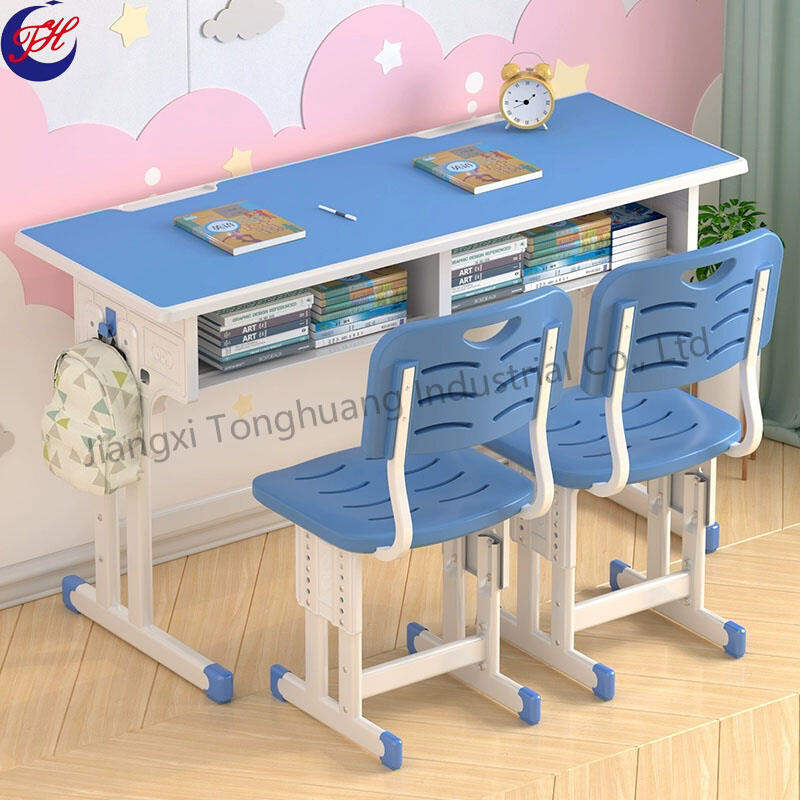
Why International Schools Demand Customized School Furniture
International schools work in all sorts of different cultures but still need to stick to strict global standards such as IPC and IB programs. The challenge here is finding school furniture that works both for what education experts say should happen worldwide and what actually happens locally. Think about it: Scandinavian classrooms love working together in groups, while many Asian schools still rely heavily on lectures. Standard furniture just doesn't cut it anymore because it misses some really important points when trying to meet these diverse needs.
Student populations differ quite a bit across different campuses. Take Jakarta versus Geneva for instance. The Indonesian campus often needs smaller desks since many students there are still growing, whereas in Europe they tend to want adjustable chairs because European teenagers generally stand taller. Schools today are pushing more hands-on learning approaches, which means classrooms need desks that can be moved around quickly when groups form for projects. Sustainability is another big concern these days. Campuses committed to green initiatives look for furniture made from tough, locally available materials that hold up whether it's sweltering heat or dry desert conditions outside. When schools invest in adaptable furnishings tailored to their specific needs, things actually improve measurably. According to recent research from the University of Salford published last year, institutions with such setups see about 20 percent fewer complaints about bad posture among students and classrooms switch activities 15 percent faster overall.
The customization imperative extends beyond physical comfort. Culturally responsive designsâlike rounded tables encouraging egalitarian discussions in Middle Eastern schools or writable surfaces facilitating diagram-heavy STEM lessonsâdirectly reinforce pedagogical objectives. As international education grows at 6% annually (ISC Research 2024), bespoke solutions become strategic investments in cross-cultural learning efficacy.
Modular and Scalable School Furniture for Diverse Classrooms
Schools around the world often struggle with space issues, which means they need furniture that can keep up with how teaching methods change all the time. That's where modular furniture comes in handy. These systems have parts that can be moved around easily, such as desks on wheels, chairs that pile up neatly when not needed, and storage solutions that double as something else depending on what's required. Studies indicate that when classrooms can be rearranged quickly, students tend to perform better, maybe even about 25% improvement according to some data. Teachers find it much easier to switch from traditional lectures to group activities or set up personal work areas without wasting time on setup.
Designing for Multi-Functional Learning Spaces
Modern classrooms serve as laboratories, theaters, and collaborative hubs within a single day. Effective solutions include:
- Mobile tables with locking casters for instant room reconfiguration
- Height-adjustable desks accommodating standing lessons or seated workshops
- Stackable chairs clearing floor space for active learning
- Partition screens creating temporary breakout zones
This versatility supports diverse teaching methods while maximizing limited square footage in urban campuses.
Standardization with Local Flexibility: Cross-Campus Approaches
Leading international school networks implement standardized furniture platforms across global campuses while allowing regional adaptations. Core components maintain consistent quality and procurement efficiency, while localized add-ons address:
- Cultural preferences for communal vs. individual workspaces
- Climate-appropriate materials (humidity-resistant finishes, breathable textiles)
- Age-specific ergonomic requirements per campus demographic
- Local maintenance capabilities and sustainability regulations
This balance ensures operational coherence without compromising contextual responsiveness to learning environments worldwide.
Ergonomic, Adjustable School Furniture for Global Student Populations
Meeting Age, Height, and Inclusion Requirements Across Cultures
Schools around the world deal with kids from all sorts of backgrounds who come in different shapes and sizes, which means adjustable furniture isn't just nice to have but actually necessary for creating truly inclusive classrooms. Desks and chairs that can be raised or lowered help manage those awkward growth spurts we all remember from our own school days, plus they account for the fact that children's bodies develop at different rates depending on their age group. When there are students with mobility issues in class, things like chairs with adjustable back support and tables that aren't too high make all the difference in whether these kids can participate fully or not. Some recent research looked at about 25 different studies from last year and found that when students sit at furniture that fits them right, their spines experience less strain overall. What's more, these same kids reported feeling physically uncomfortable about 30% less often than before, which probably explains why teachers noticed better focus during lessons and generally improved grades across the board.
The flexibility of adaptable furniture goes way beyond just making people comfortable physically. It actually touches on cultural aspects too. When classrooms have seats that can be rearranged for small groups working together or students who need their own space to focus, it shows respect for different ways of learning that exist around the world. Schools that invest in adjustable desks and chairs are building environments where kids from all walks of life can do well. No matter if someone sits cross-legged because of tradition or needs extra support due to height differences, these customizable setups help everyone feel included and supported in their education journey.
Mobile and Reconfigurable School Furniture for Modern Pedagogies
Enabling Hybrid, Collaborative, and Teacher-Led Learning Models
Modern education needs classroom setups that can switch between different teaching styles throughout a single lesson. Schools are increasingly turning to mobile furniture these days. Think lightweight frames, wheels that roll smoothly across floors, and those clever connectors that snap pieces together. Teachers find they can transform their rooms from standard lecture setups to group work areas within just a few minutes. Stackable chairs work great with those oddly shaped tables that fit together like puzzle pieces, letting classes rearrange themselves for teamwork quickly. Some schools even have desks that flip open for solo study time but close right back up when needed for group activities. The flexibility makes a real difference for teachers trying to reach students at different learning levels. According to the Global Education Census from last year, around three out of four international schools saw better student participation when their classrooms could physically change along with the lesson plans.
| Furniture Feature | Teaching Mode | Impact |
|---|---|---|
| Locking casters | Hybrid learning | Secure zones for tech stations |
| Modular workstations | Collaborative projects | Fluid group sizing (2â8 students) |
| Height-adjustable tops | Teacher-led demonstrations | Clear sightlines for all students |
Flexible learning environments actually work better for students' memory retention according to studies, with some research suggesting around a 25-30% improvement over traditional fixed setups. The real advantage comes from adjustable classroom furniture that works across different teaching styles worldwide. For instance, Scandinavian schools often focus on project work while many Asian classrooms still rely heavily on direct instruction methods. Schools don't need completely different setups for these approaches when they have adaptable seating solutions. Getting rid of those rigid classroom layouts makes it easier for teachers to switch between teaching methods as needed. This helps students take more ownership of their learning experience, which matters a lot given how expensive school space tends to be everywhere these days.
FAQ
Why is customized school furniture essential for international schools?
Customized school furniture is crucial for international schools to address cultural, ergonomic, and sustainability concerns while aligning with global education standards and local preferences.
How does modular furniture enhance classroom performance?
Modular furniture enhances classroom performance by enabling quick reconfiguration to accommodate various teaching methodologies, improving focus, engagement, and student performance.
What are the benefits of ergonomically adjustable furniture?
Ergonomically adjustable furniture caters to diverse student needs, promoting physical comfort and inclusivity, which can enhance students' concentration, participation, and academic outcomes.