 EN
EN

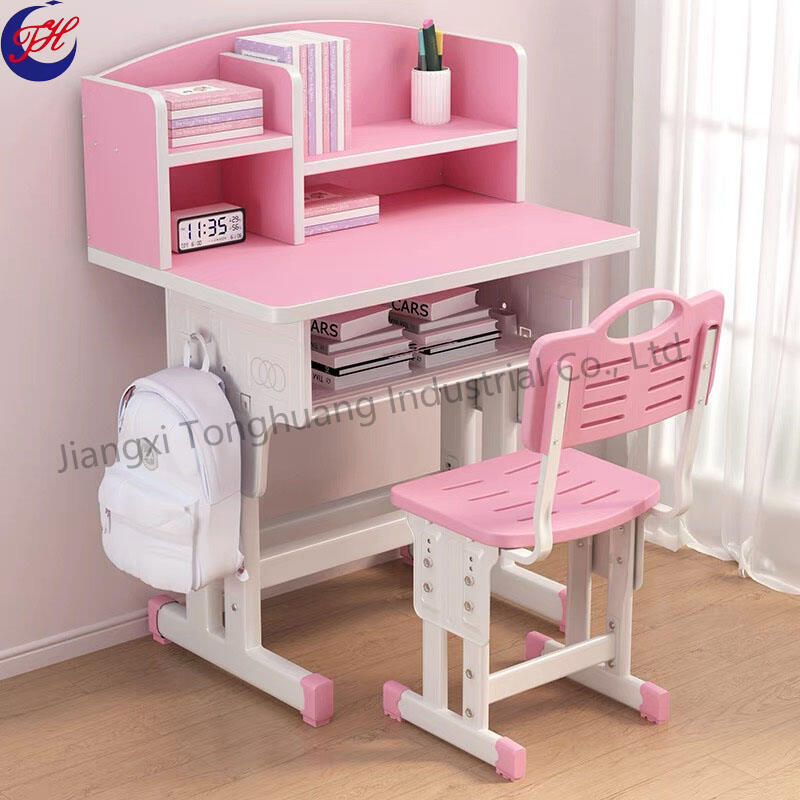
Ergonomic Student Seating Designed for Primary School Development
Height-adjustable, lightweight chairs for 5â11 year-olds: Supporting posture, circulation, and sustained attention
Getting the right size furniture matters a lot for kids in primary school when it comes to their growing bodies. Adjustable chairs that can be set according to each child's body measurements help keep their feet planted firmly on the ground and their knees bent at about a right angle. This setup helps maintain good posture and takes some stress off their lower backs when they sit for long periods during class. Chairs that weigh less than 3 kilograms make life easier for small students who need to move around for group activities. Lighter furniture means kids can grab and relocate seats without adult help, which builds independence and avoids those awkward moments where someone struggles with furniture too heavy for them.
These ergonomic features also support circulatory health: pediatric studies show correctly positioned chairs increase lower-limb blood flow by 27% compared to fixed-height alternatives, directly reducing fatigue-related attention lapses. When neutral posture is supported, classrooms observe a 19% decrease in off-task behaviorsâas students sustain focus longer without discomfort-driven distractions.
Seat depth/height ratios and fidgeting reduction: Evidence from UK DfE (2023) and pediatric ergonomics research
Getting the right seat size really makes a difference when it comes to how engaged someone feels and their overall comfort level. When we talk about seat depth, what matters most is measuring from where the knees naturally bend back to the very front part of the seating surface. Good seats tend to be around 88% as long as the person's thighs are. This setup stops too much pressure building up behind the knees while still giving proper support all along the thighs. According to an education department report from the UK in 2023 looking at classroom ergonomics, kids sitting in properly sized chairs actually moved around less during lessons. The study showed a drop of about 32% in fidgeting behaviors among second grade students specifically.
From a body mechanics standpoint, chairs that are too deep tend to make kids slump forward and compress their diaphragm area, whereas really shallow seating causes them to move their legs around constantly trying to stay balanced. When we look at chair and desk heights, there's something important about getting that right proportion so kids can rest their arms comfortably on the table while writing. This helps prevent those tense shoulders and the fidgety behavior that comes from being physically uncomfortable. Schools that implement these kinds of ergonomic guidelines generally see quieter classrooms overall. Students aren't fighting against their furniture anymore, so they can focus better on what they're learning rather than dealing with nagging physical problems.
Flexible Classroom Furniture Systems That Support Modern Primary School Pedagogy
Modular tables, mobile storage, and nesting stools: Enabling seamless transitions between whole-class, group, and independent learning modes
Modern primary pedagogy demands agilityâfurniture must adapt quickly to shifting instructional needs. Modular systemsâincluding lightweight nesting stools, mobile storage units, and reconfigurable tablesâallow educators to transform classroom layouts in under 90 seconds. This responsiveness supports fluid transitions between:
- Whole-class instruction (e.g., rows or semi-circles for shared focus)
- Collaborative group work (e.g., pods or hexagonal clusters)
- Independent study (e.g., spaced individual stations with visual boundaries)
Such flexibility preserves instructional momentum and accommodates diverse learning preferences within inclusive settingsâwithout requiring structural changes or specialist support.
Balancing flexibility with routine: Why predictability remains essential for primary school learnersâ emotional security and executive function
Flexible classroom furniture definitely helps teachers try new teaching methods, but when classrooms change too often or without pattern, it actually makes kids feel less safe. Studies from brain science show that having certain spots stay the same throughout the day matters a lot for kids between 5 and 11 years old. Things like knowing where the quiet area is, having a regular place for story time, or seeing the teacher's desk in the same spot every morning all contribute to making children feel secure emotionally. When these elements remain constant, it helps build those important thinking skills that let kids plan better, focus longer, and manage their impulses more effectively over time.
- Reducing cognitive load associated with spatial navigation
- Clarifying behavioral expectations through visual and spatial cues
- Strengthening spatial memory pathways linked to self-regulation
Educators should therefore embed fixed âanchor pointsâ within flexible layoutsâpreserving the benefits of mobility while maintaining the routine that builds confidence, task persistence, and classroom community.
Evidence-Based Classroom Desk Layouts to Maximize Collaboration and Inclusion in Primary School Settings
From traditional rows to collaborative pods: How hexagonal and kidney-shaped arrangements increase peer interaction by 32% (OECD TLIS, 2022)
Traditional row-based layouts often limit student interaction and reinforce passive, teacher-centered learning. In contrast, hexagonal and kidney-shaped desk configurations reorient classrooms toward collaborationâplacing students face-to-face in small, equitable groups. According to the OECD Teaching and Learning International Survey (2022), these arrangements increase peer-to-peer interaction by 32% compared to conventional setups.
Hexagonal setups let around six kids keep good eye contact and pass stuff back and forth without much hassle, which really helps when they need to work together on problems and makes sure everyone gets a chance to speak up. The kidney shape does something similar but gives teachers an easier way to step into small groups during lessons without throwing everything off balance or messing with who's in charge. What matters most is that these layouts help include all students since nobody sits with their back turned away from others. Different kids communicate in different ways, so being able to see faces and body language makes a big difference. Most importantly, these classroom arrangements ensure that even shy students can participate in meaningful ways during group activities.
FAQ
Why are height-adjustable chairs recommended for primary school students?
Height-adjustable chairs allow customization to fit each student's unique size, promoting proper posture and reducing lower back strain, thereby supporting comfortable, prolonged sitting during classes.
What are the benefits of flexible classroom furniture systems?
Flexible furniture systems promote quick classroom layout adjustments to accommodate different teaching modes, such as whole-class instruction or group work, enhancing educational engagement and flow.
How do specific desk arrangements like hexagonal setups support collaboration?
Hexagonal desk arrangements increase peer interaction by placing students face-to-face, fostering better communication and collaboration among them.