 EN
EN

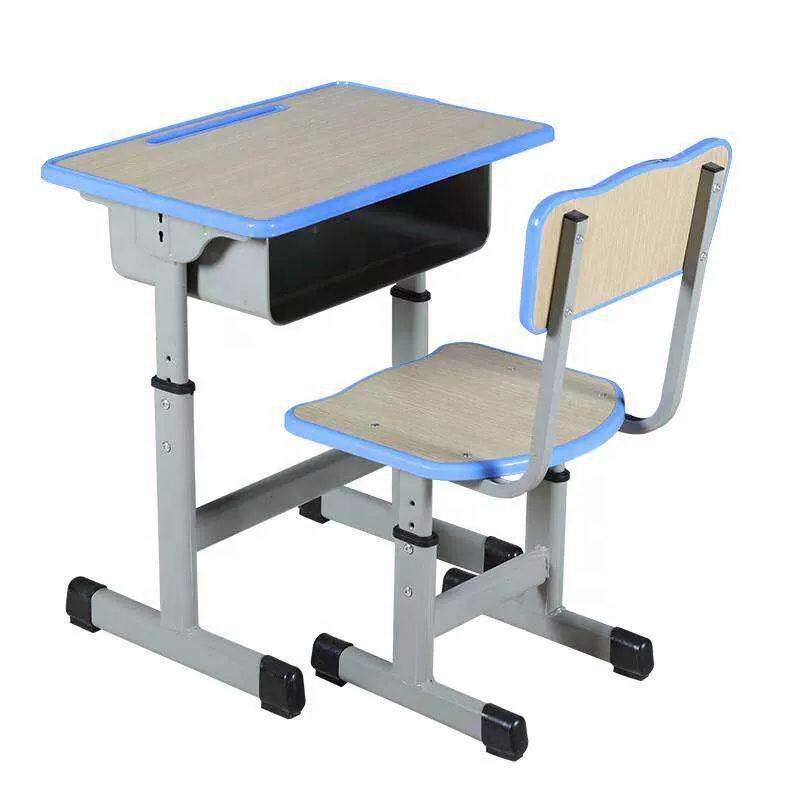
Ergonomic Design: Supporting Posture and Comfort During Long Study Hours
The Role of Ergonomic Design for Student Chairs in Spinal Alignment
School furniture designed with ergonomics in mind helps maintain the spine's natural S shape, which keeps kids sitting properly even after long periods at their desks. Research shows that chairs with curved back supports cut down on side pressure to the spine by around 26% when compared to regular flat-backed chairs. A recent look into how students sit found this makes a big difference. For children spending anywhere from six to eight hours each day sitting down, proper spinal alignment becomes really important. It stops parts of the spine from taking too much stress while they're growing, something parents should definitely keep in mind when shopping for classroom furniture.
Lumbar Support and Posture Improvement During Extended Sitting
Adjustable lumbar supports really help fight off that 72% jump in lower back stress people get when sitting in stiff chairs for about 90 minutes straight. When the lumbar area is properly supported, it helps keep the spine stable, reduces wiggling around, and makes sitting up straight much easier on the body. A recent study in classrooms back in 2023 found something interesting too. Students who sat in chairs with good lumbar support stayed in a neutral pelvic position roughly 41% longer compared to classmates stuck in regular office chairs. Makes sense why so many workplaces are starting to invest in better seating options these days.
Backrest Curvature and Its Impact on Long-Term Seating Comfort
When sitting at around a 15 to 20 degree angle, the upper back naturally lines up with the thoracic spine area, which helps reduce pressure on discs and makes sitting more comfortable overall. The curved shape of good quality backrests spreads out body weight so pressure isn't concentrated in one spot. Research into how our bodies react ergonomically shows this can cut down on those annoying pressure points by about 34%. What's really nice about this design is that people can shift positions slightly while still keeping their spine properly aligned. This matters a lot during long classes where students need to stay comfortable throughout multiple sessions without their posture breaking down.
Adjustability Features That Meet Diverse Student Needs
Seat height adjustment for different age groups and body proportions
School furniture must accommodate students aged 6–18, whose sitting heights range from 18" to 31". Adjustable seats with 15%–20% height variance help achieve proper ergonomics across this spectrum. Research shows such adjustability reduces forward-leaning posture by 72% among elementary students (Educational Ergonomics Journal, 2023). Key mechanisms include:
- Gas-lift levers enabling smooth 2"–6" adjustments
- Visual height indicators aligned with grade-level percentile data
- Lockable casters that stabilize desks during active use
Armrest and backrest adjustability for dynamic sitting postures
Angled armrests (5°–15° tilt) support natural elbow positioning during writing and screen use, while split backrests with 4-way lumbar adjustment conform to individual spinal curves. Together, these features reduce shoulder muscle activation by 39% compared to fixed designs, allowing greater freedom of movement without sacrificing support.
Case Study: Adjustable school desk and chair solutions in mixed-grade classrooms
A 2024 pilot program across 12 Swedish schools using universally adjustable furniture systems found:
- 58% faster transitions between age groups
- 31% fewer posture-related complaints
- 19% improvement in collaborative task completion
Fifth-grade teachers observed students maintained optimal textbook viewing angles (20°–40°) 83% of class time—up from 52% with fixed furniture—demonstrating a 59% gain in ergonomic effectiveness and highlighting the value of adaptable designs in preventing long-term musculoskeletal strain.
Enhancing Concentration and Cognitive Performance Through Better Seating
How Ergonomic School Desk and Chair Setups Improve Focus and Attention Span
Properly adjusted ergonomic furniture enhances cognitive engagement by minimizing physical discomfort. Students using such setups demonstrate 22% longer focus spans during demanding tasks. The 2023 Frontiers in Psychology study links lumbar-supported seating to reduced fidgeting, freeing mental energy for learning rather than managing discomfort.
Posture, Blood Flow, and Learning Retention: The Physiological Connection
Optimal seating improves cerebral oxygenation by 18%, supporting memory consolidation during lessons. A backrest angle of 100°–110° encourages diaphragmatic breathing, countering the 34% attention drop typically seen in slumped postures. This physiological advantage underscores how posture directly influences cognitive performance in classroom settings.
Emerging Trend: Smart Chairs With Biometric Feedback for Real-Time Posture Correction
AI-powered chairs equipped with posture sensors provide gentle vibration alerts within two seconds of slouch detection. Early adopters report 15% fewer posture-related disruptions per class, improving instructional continuity. Though cost remains a barrier, this technology reflects a growing integration of real-time feedback into ergonomic design for tech-native learners.
Material Innovation for Durability, Comfort, and Sustainability
Modern school furniture balances durability, comfort, and environmental responsibility. Breathable mesh fabrics and perforated polymer seat bases reduce heat buildup during extended use, while lightweight aluminum frames—15%–20% lighter than steel—maintain strength over a decade of daily classroom wear.
According to a report from 2022, around two thirds of schools are starting to look for furniture containing at least 30 percent recycled materials these days. Sustainability targets along with long term budget considerations seem to be pushing this trend forward. When it comes to composite materials, those that mix recycled plastics with things like rice husks or bamboo fibers actually perform better than regular laminates when it comes to resisting scratches. Plus they cut down on landfill waste significantly compared to new plastics, about forty percent less according to some studies. Schools adopting these alternatives not only help protect the environment but also save money over time.
Three advancements define current material trends:
- Breathable hybrid textiles: Moisture-wicking, antimicrobial fabrics enhance hygiene in high-traffic classrooms
- Modular recycled composites: Interlocking components allow targeted repairs instead of full replacements
- Plant-based foam padding: Castor oil-derived cushions offer support comparable to petroleum foams with a 50% lower carbon footprint
Innovations in eco-conscious manufacturing, such as FSC-certified wood alternatives and water-based adhesives, are closing the price gap with conventional materials. As demonstrated in sustainable production case studies, these practices can achieve cost parity within 3–5 years, enabling schools to invest in healthier, greener furniture without exceeding budgets.
Preventing Musculoskeletal Issues with Ergonomic School Desk and Chair Solutions
Supporting Healthy Physical Development in Growing Students
Ergonomic furniture supports neutral spinal alignment during critical growth phases, helping prevent conditions like scoliosis. Adjustable seat depths and contoured backrests reduce joint pressure by up to 34% compared to non-adjustable designs (Biomechanics Institute, 2023), promoting healthier skeletal development.
Reducing Fatigue and Discomfort During Extended Study Sessions
Students using ergonomic seating exhibit 42% less fidgeting and 28% lower fatigue levels during 90-minute classes, according to classroom ergonomics research. Contoured cushions enhance circulation, while waterfall-edge seats eliminate pressure on the thighs—key factors in sustaining alertness during exams and long study periods.
Data Insight: Rising Back Pain Among Students Using Non-Ergonomic Furniture (WHO, 2022)
The World Health Organization reports a 60% rise in adolescent back pain since 2018, linked to widespread use of non-adjustable classroom furniture. In contrast, students in ergonomic environments show 3.2 times lower incidence of early-stage spinal disc degeneration, reinforcing the urgent need for systemic upgrades in school seating infrastructure.
Frequently Asked Questions
What is ergonomic design in school furniture?
Ergonomic design in school furniture refers to creating chairs and desks that support natural posture and spinal alignment, minimizing physical stress during long periods of sitting.
Why is lumbar support important?
Lumbar support is essential as it stabilizes the spine, reduces movement, and helps in maintaining proper posture, especially during prolonged sitting.
How do adjustability features help different age groups?
Adjustability features like seat height and armrest adjustments cater to diverse body proportions and age groups, ensuring that each student can sit comfortably with the correct posture.
How does ergonomic furniture improve focus?
Ergonomic furniture can enhance focus by reducing physical discomfort, allowing students to concentrate better on tasks without being distracted by discomfort.
What materials are sustainable for school furniture?
Sustainable materials for school furniture include recycled plastics, plant-based foam padding, and biodegradable textiles, which reduce environmental impact while offering durability and comfort.
Table of Contents
- Ergonomic Design: Supporting Posture and Comfort During Long Study Hours
- Adjustability Features That Meet Diverse Student Needs
- Enhancing Concentration and Cognitive Performance Through Better Seating
- Material Innovation for Durability, Comfort, and Sustainability
- Preventing Musculoskeletal Issues with Ergonomic School Desk and Chair Solutions
- Frequently Asked Questions