 EN
EN

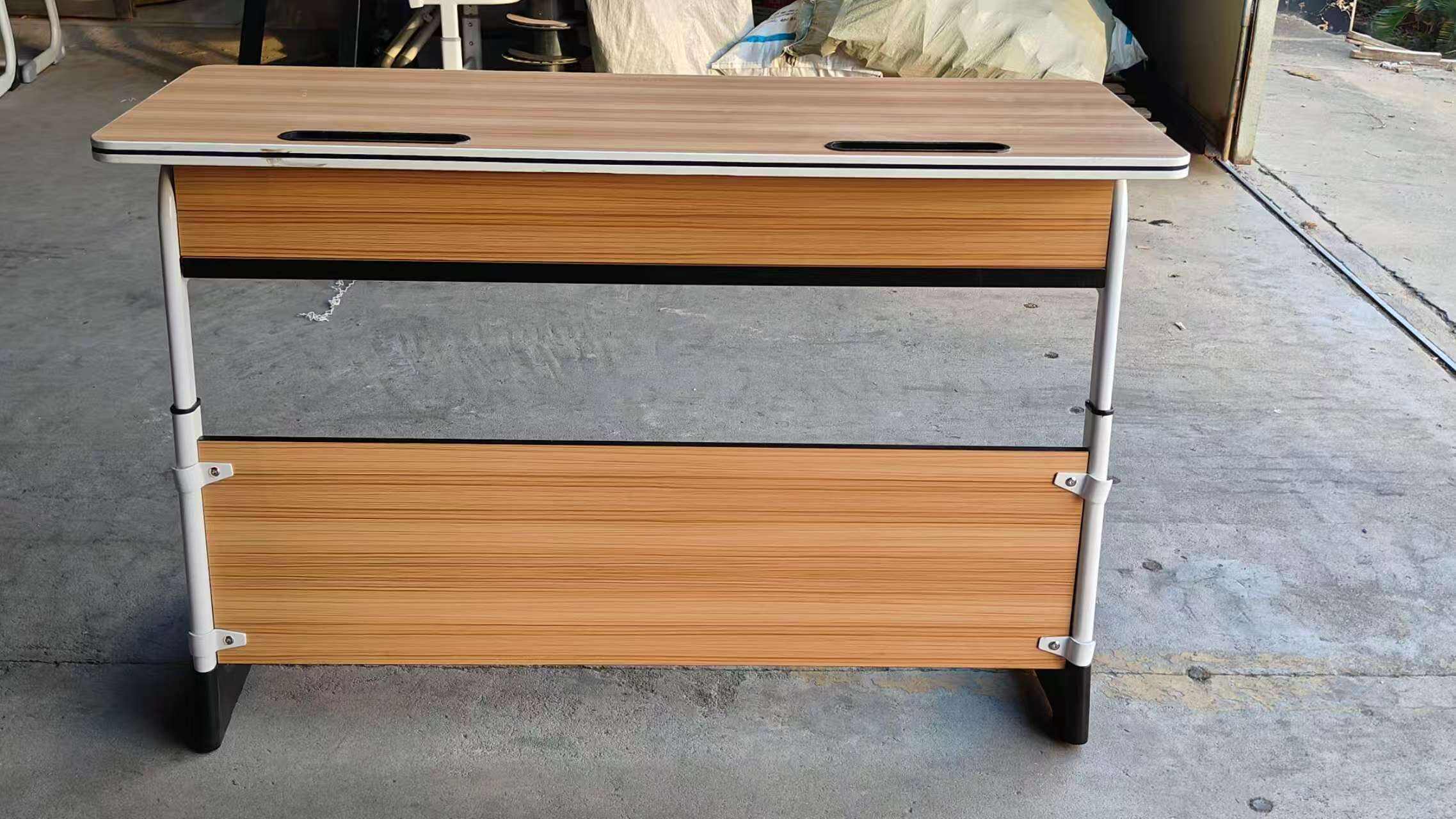
Why Ergonomic Design Matters for Student Study Tables and Chairs
Understanding Ergonomics: Supporting Proper Posture for Students
Study tables and chairs built with ergonomics in mind help match up with how students' bodies actually work, keeping spines in a natural position and cutting down on muscle soreness while they're studying. Good design means feet can stay flat on the ground or a footrest, knees bend around 90 degrees, and desk height matches where elbows naturally fall when typing or writing. These aren't just random suggestions either; occupational health experts have been backing these ideas for years. Recent research from 2024 showed something pretty interesting too. Students who sat at properly adjusted desks experienced about 24 percent less shoulder pain than those stuck with old fashioned setups. Makes sense really, since nobody wants to deal with aching muscles after hours of homework.
The Impact of Poor Sitting Posture on Spinal Health and Concentration
When kids slump at their desks instead of sitting properly, it puts extra strain on the spine discs, which can lead to problems like early scoliosis and ongoing back pain later on. A bunch of studies have found something interesting too. Students who don't have good ergonomics at their workstations tend to develop what's called forward head posture three times more often than those with proper setup. And this isn't just about looking awkward either. Forward head posture actually affects breathing patterns and makes people feel tired faster. The impact goes beyond physical discomfort as well. Looking at some recent research from last year, almost 60 percent of middle school students had trouble finishing hour long assignments while sitting in chairs that didn't fit them right. That's pretty telling about how important chair fit really is for both health and productivity.
Long-Term Health and Academic Benefits of Ergonomic Study Furniture
Getting adjustable study tables with matching chairs actually pays off academically. Research shows kids who sit at desks they can adjust vertically tend to score about 12 percent higher on tests after working with them for around two years straight. Back supports matter too since schools report roughly 19 fewer days missed due to back pain when students have proper seating. And those desks that tilt forward? They really cut down on squinting and headaches from staring at books or screens for long periods. The benefits don't stop there either. Kids develop better posture habits early on which means fewer neck and shoulder problems down the road when they start their first real jobs.
Importance of Proper Sitting Posture During Prolonged Study Sessions
Students tend to move around about 12 to 15 times per hour when they're studying because sitting still just gets uncomfortable after a while. Good ergonomic chairs make all the difference here. The ones with adjustable seat depth and curved back support help keep blood flowing to the legs during those long study marathons. Desks that can tilt between 15 and 20 degrees also matter a lot since they let textbooks sit right at eye level instead of forcing people to crane their necks. Some university studies have actually found that this kind of setup helps students stay focused roughly 17 percent longer before needing a break. Makes sense really when you think about how much easier it is to concentrate when your body isn't fighting against what you're trying to do.
Essential Ergonomic Features in a Study Table with Chair for Students
Adjustable Desk Height for Growing Children and Dynamic Learning Needs
When desks can adjust in height, students stay comfortable with their elbows at around 90 degrees when writing and their eyes properly aligned with computer screens. Desks that go up and down quite a bit handle those sudden growth spurts kids experience and work well whether someone is reading from thick textbooks or using a tablet for notes. The ability to change desk heights actually helps prevent sore shoulders because it keeps arms roughly parallel to the floor even after sitting there for hours on end doing homework.
Multiple Seat Height Options for Proper Knee and Hip Alignment
Independent seat adjustment allows precise alignment where feet rest flat on the floor while thighs remain parallel to the ground. This positioning distributes body weight evenly, preventing pressure points that lead to constant posture shifts during homework hours.
Contoured Backrests and Lumbar Support to Maintain Natural Spine Curvature
Ergonomic chairs feature curved backrests that mirror the spine's natural S-shape, with adjustable lumbar pads targeting the lower back. This design prevents the "slouch cascade" where rounded shoulders force necks forward—a posture linked to 29% faster fatigue onset in classroom studies.
Tilt Functionality for Optimal Reading and Writing Angles
Desktops with 10—15° tilt capabilities position notebooks and tablets at angles reducing neck flexion by 50% compared to flat surfaces. Left-handed students particularly benefit from tilting surfaces that keep writing arms in neutral positions.
Ensuring Compatibility Between Ergonomic Chairs and Study Tables
Coordinated furniture sets maintain an 8—10" gap between seat surfaces and desktop undersides—the critical zone for keeping shoulders relaxed during writing tasks. This vertical alignment prevents armrest collisions with table edges during chair adjustments.
Matching Desk and Chair Dimensions to Student Physiology
Achieving Proper Knee, Hip, and Foot Alignment Through Adjustable Seating
Studies indicate that around 60.9 percent of students sit in chairs where the seat height doesn't match their body measurements, which can lead to extra strain on the spine according to research published by Mokarami and colleagues back in 2022. Chairs that can be adjusted let people set them at the right level for their knees and hips so that their legs are parallel to the ground and their feet touch the floor properly. Take a look at what happened in a recent study from 2024 looking at ergonomics. They discovered that when students used chairs they could adjust up and down, there was a 42% drop in bad posture issues compared with those stuck in regular non-adjustable seats.
Ensuring Adequate Legroom and the Role of Footrests in Posture Support
Insufficient legroom forces students into unnatural forward-leaning positions, compressing lumbar discs and reducing blood flow. Studies reveal 74% of standardized classroom desks fail to provide adequate thigh clearance, increasing lower back pain risks (Parcells et al., 1999). Footrests bridge this gap for shorter students, maintaining 90° knee angles and stabilizing pelvic alignment.
Coordinating Chair Height and Desk Level for Neutral Spine Positioning
A desk-to-chair height ratio of 1:1.2 aligns elbows at 90° during writing tasks, preventing shoulder hunching. When seated, desks should sit 2—4 cm above elbow height to keep wrists neutral. Neutral spine positioning reduces muscle fatigue by 31%, according to biomechanical analyses, making coordinated furniture adjustments critical for sustained study sessions.
Enhancing Posture with Ergonomic Accessories and Add-Ons
Integrating Footrests, Document Holders, and Task Lighting for Better Ergonomics
Adding ergonomic accessories turns ordinary study setups into something much better for maintaining good posture. When kids sit at desks where their feet can't reach the ground, adjustable footrests help keep knees aligned properly. This is actually a big problem for about 58% of students younger than 14 years old. Placing documents at eye level with angled holders cuts down on neck bending by around 25 degrees or so. Good task lighting between 500 to 650 lux makes all the difference for those late night study sessions without causing eye fatigue. All these pieces fit together nicely. Footrests support the pelvis area, document stands take care of neck alignment issues, and proper lighting keeps heads from tilting forward too much. Together they create a setup that's actually friendly to the spine instead of working against it.
How Add-On Supports Reduce Strain and Improve Focus in Students
College students who incorporate ergonomic gear into their study routine tend to experience around 32% less muscle fatigue after sitting through those dreaded 90 minute study sessions. When we look at what happens cognitively, there's a clear link between reduced body strain and better thinking performance. A recent experiment ran over six weeks in actual classrooms found that students working with proper posture support solved problems roughly 18% quicker than those without such tools. The specifics matter too: lightweight stands that angle computer screens between 15 and 20 degrees work wonders, especially when paired with those special mats designed for people who need to stand while studying occasionally. These setups help spread out the pressure points across the body and actually promote those tiny movements that keep blood flowing. Beyond just avoiding back pain down the road, this kind of setup keeps minds focused longer because nobody wants to constantly adjust themselves due to discomfort during intense study periods.
Choosing the Right Study Table with Chair for Different Age Groups
Adjustable Furniture Solutions From Elementary to High School Years
When it comes to student desks and chairs, there needs to be about 3 to 5 inches extra space built in so kids can grow comfortably from age 6 all the way through 18. For younger elementary students who are around 4 feet 2 inches to almost 5 feet tall, their seats should sit somewhere between 19 and 22 inches off the ground with desks at roughly 25 to 28 inches. Older high school students standing anywhere from 5 feet to nearly 5 foot 9 inches generally need everything about 4 inches higher. Teachers will want to check for those gas lift systems that let each component adjust separately. A recent survey showed that when schools actually implement these adjustable setups, classroom posture problems drop significantly according to what most educators observe firsthand.
Supporting Growth Spurts and Changing Postural Needs in Kids and Teens
Rapid growth phases (average 2.5’ height gain annually in teens) demand furniture with:
- Modular components: Extendable desk depths (22’ to 30’)
- Multi-stage tilt: 15° for coloring/writing, 5° for screen work
- Expandable armrests: 12’—18’ width range to prevent shoulder hunching
Case Study: Posture Improvement in Middle Schoolers Using Height-Adjustable Sets
A 6-month pilot with 11—14 year olds showed a 57% reduction in observed slouching when using desks and chairs adjusted weekly to match biometric measurements. Key outcomes included:
| Metric | Before Adjustment | After 6 Months | Improvement |
|---|---|---|---|
| Neutral spine alignment | 32% | 79% | +147% |
| Feet flat on floor | 41% | 88% | +115% |
| Screen-eye distance | 14’ | 20’—22’ | +43% |
This data confirms that properly scaled study tables with chairs help maintain the 90-90-90 posture rule (knees/hips/elbows at right angles) critical for developing bodies.
FAQ
Why is ergonomic design important for student study tables and chairs?
Ergonomic design helps align the body naturally, reducing muscle strain, improving posture, and enhancing concentration and productivity. It supports the spine, prevents common issues like back pain, and encourages better posture habits in students.
What are the benefits of adjustable study furniture?
Adjustable study furniture can be customized to fit students' needs as they grow. It helps improve test scores, reduces the days missed due to back pain, and establishes healthy posture habits that benefit students throughout their academic and professional careers.
How do ergonomic features improve concentration?
Ergonomic features, like adjustable chairs and tilted desks, ensure that students are comfortable and correctly aligned. This reduces bodily discomfort and allows students to concentrate better and for longer periods, thus improving learning and productivity.
At what age should students start using ergonomic study furniture?
Students of all ages can benefit from ergonomic furniture. It's especially crucial from elementary to high school years when students experience growth spurts and their seating needs change. Ergonomic furniture can be adjusted to accommodate these changes, promoting better posture and comfort.
Table of Contents
- Why Ergonomic Design Matters for Student Study Tables and Chairs
-
Essential Ergonomic Features in a Study Table with Chair for Students
- Adjustable Desk Height for Growing Children and Dynamic Learning Needs
- Multiple Seat Height Options for Proper Knee and Hip Alignment
- Contoured Backrests and Lumbar Support to Maintain Natural Spine Curvature
- Tilt Functionality for Optimal Reading and Writing Angles
- Ensuring Compatibility Between Ergonomic Chairs and Study Tables
- Matching Desk and Chair Dimensions to Student Physiology
- Enhancing Posture with Ergonomic Accessories and Add-Ons
- Choosing the Right Study Table with Chair for Different Age Groups
- FAQ