 EN
EN

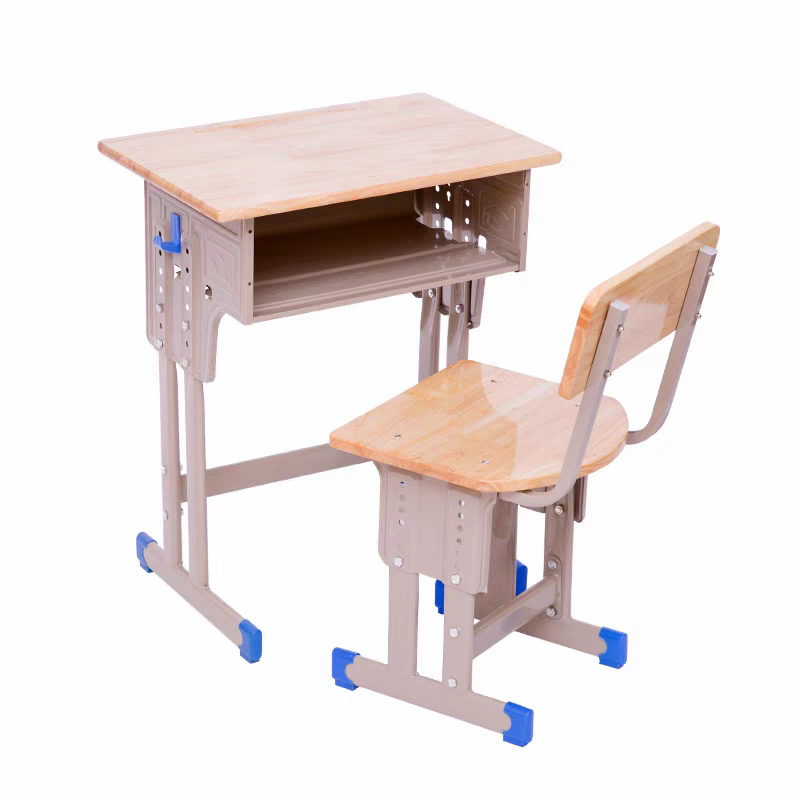
Hardwood and Bamboo: Natural Strength and Sustainability
Hardwood chairs tend to last much longer than other options, typically around 12 to 15 years in schoolrooms based on recent durability studies from 2023. Bamboo has this cool vertical grain pattern that makes it just as strong as oak wood but weighs about 38 percent less, which is great when teachers need to rearrange desks quickly between classes. Neither material gets crushed easily by all those heavy backpacks and stacks of textbooks students carry around, so they hold up pretty well even in busy classrooms where furniture sees constant use day after day.
Metals: Ensuring Structural Integrity and Long-Term Performance
Steel-framed student chairs support up to 300 lbs. without deformation (Classroom Safety Standards 2023), while aluminum variants reduce weight by 25% without sacrificing durability. Powder-coated finishes enhance resilience, enduring over 2,000 scratch resistance cycles before surface degradation, and prevent rust in humid conditions.
High-Impact Plastics and Composites: Lightweight Yet Resilient Options
High-density polyethylene (HDPE) seats withstand five times more impact force than standard polymers, based on material stress tests (2024). Glass-fiber reinforced polypropylene combines flexibility with structural rigidity, surviving 10-year accelerated wear simulations without cracking—making it ideal for demanding educational environments.
Recycled Plastics and Reclaimed Wood: Durable Eco-Friendly Alternatives
Post-consumer PET plastic chairs now match the performance of virgin materials, with a 2024 lifecycle analysis showing a 45% lower carbon footprint. Reclaimed wood desk-chair sets treated with modern stabilizers achieve similar durability to new hardwood at 30% lower cost, as demonstrated in sustainable furniture trials (2023).
How Material Choice Impacts the Longevity of Student Chairs
Durability under daily use in high-traffic classroom environments
Student chairs endure constant movement, weight shifts, and impacts. Hardwood frames show no structural defects after 10 years of simulated classroom use. Metal legs with reinforced joints maintain alignment through thousands of seating cycles, while high-grade plastics resist cracking better than cheaper polymer blends.
Comparing lifespan: Hardwood vs. plastic vs. metal-framed student chairs
Material selection directly affects replacement frequency:
- Hardwood chairs: 12–15 year lifespan with proper maintenance
- Plastic chairs: 5–8 year service life before brittleness sets in
- Metal-framed chairs: 15–20 year durability when using powder-coated steel
A 2023 furniture lifecycle analysis found that metal/wood hybrid designs offer the best cost-per-year value despite a 30% higher initial investment compared to plastic alternatives.
Resistance to wear, impact, and environmental stressors
Engineered solutions extend usability in challenging environments:
- Scratch-resistant coatings on seat surfaces
- Moisture-inhibiting treatments for wood
- UV-stabilized plastics for outdoor use
- Corrosion-resistant aluminum alloys for coastal areas
These enhancements increase chair lifespan by 40–60% in high-stress settings.
Ergonomic Design and Material Influence on Student Comfort
Supporting proper posture with lumbar support and contoured backrests
Ergonomic chairs feature lumbar-supportive backrests that maintain natural spinal curvature, reducing slouching by 34% in classrooms (NIH 2023). Contoured designs distribute pressure evenly, preventing fatigue during long study periods. Breathable mesh or flex-resistant plastics retain structural integrity over time, ensuring lasting support.
Seat materials like polypropylene and cushioned composites for comfort
Polypropylene adapts to body movements without permanent deformation, balancing flexibility and strength. Memory foam-cushioned composites reduce pressure points by up to 22% compared to rigid plastic, enhancing comfort for students seated 6–8 hours daily.
Adjustable height and dynamic seating: Matching materials to mobility needs
Lightweight aluminum frames allow smooth height adjustments, while reinforced nylon gears ensure stability during frequent repositioning. Flexible polyurethane joints in rocking-base chairs promote micro-movements that improve circulation without compromising durability.
Balancing firm support and soft-touch surfaces for prolonged sitting
High-density foam layers (1.5–2.5 lb/ft³) provide foundational support beneath softer vinyl or fabric upholstery. This dual-layer design prevents sagging while maintaining comfort—contributing to reduced fidgeting in 84% of classrooms after ergonomic upgrades.
Performance of Student Chair Materials Across Learning Environments
Plastic chairs in humid or outdoor educational settings
Chairs made from HDPE and polypropylene handle damp environments pretty well because their surfaces don't absorb water, which means they won't grow mold or warp over time. Research published by the Indoor Air Quality Consortium back in 2023 showed something interesting too these plastic materials cut down on microbial problems by around two thirds when compared with regular untreated wood used outside in school settings. Plus, these chairs can take quite a temperature range without falling apart they stay solid even when it gets as cold as minus 20 degrees Celsius or heats up to 50 degrees Celsius. That makes them great choices for those open air laboratory setups or schools located in warmer tropical regions where weather extremes are common.
Metal-framed chairs for active learning and STEM classrooms
Powder-coated steel frames with reinforced joints enable 360° mobility essential in collaborative STEM spaces. A leading supplier’s case study showed metal chairs with chemical-resistant coatings sustained 87% fewer scratches than plastic models during lab sessions. Their balanced weight (15–20kg) prevents tipping during experiments while allowing easy rearrangement.
Wood-based chairs in traditional and Montessori learning spaces
Hardwood chairs that have been kiln dried and feature rounded edges really fit what Montessori educators look for in classroom furniture. They bring a natural look to any space and just keep going year after year. According to some data from the Global Furniture Association back in 2021, oak chairs that were properly sealed actually made it through over twelve years in regular schoolrooms before needing replacement. That's about four extra years compared to those plastic ones we all know too well. Plus there's something about these wooden chairs that helps cut down on noise bouncing around the room by roughly forty percent. Makes sense why kids can concentrate better when sitting at them during independent activities.
Material suitability based on room usage and student age groups
| Environment | Recommended Material | Key Benefit |
|---|---|---|
| Kindergarten | Soft-edged plastic | Lightweight safety (2.1kg avg) |
| High school labs | Anodized aluminum | Chemical/spill resistance |
| Libraries | Upholstered composites | Noise reduction (28dB dampening) |
A 2020 Educational Ergonomics Study found 94% of districts lowered furniture replacement costs by matching materials to specific room needs, highlighting the importance of environment-driven specifications.
Sustainability and Maintenance of Student Chair Materials
Ease of Cleaning: Maintenance Protocols for Plastic, Metal, and Composite Surfaces
Keeping furniture clean on a regular basis really does make them last longer. For plastic chairs, gentle cleaners work best since harsh ones can scratch or dull the surface. Metal furniture that's powder coated handles weekly wipe downs pretty well against rust and stains. Composite materials need special attention though they respond better to pH neutral solutions instead of acidic or alkaline cleaners that might break down their structure over time. Some schools have seen real savings when they stick to proper cleaning routines. One study found that those who followed standard protocols actually cut down on replacing furniture by about 34 percent after just five years, which adds up to serious budget relief for institutions.
Lifecycle Analysis: Environmental Impact of Recycled Plastics and Reclaimed Wood
When schools start using recycled plastics for student seating, they actually keep around 8.2 million metric tons out of landfills every year according to that latest report on classroom materials from 2024. The wood frames made from reclaimed sources cut down carbon emissions by nearly 30% compared to brand new timber, and still hold up just fine under normal weight loads. Looking at circular economy principles, these materials really make sense. After about a decade, most recycled polypropylene chairs can still be fixed when needed, with roughly 92% remaining serviceable versus only about two thirds of regular plastic chairs that need replacing sooner rather than later.
Choosing Low-Maintenance, Sustainable Materials for Long-Term Cost Efficiency
Schools selecting cradle-to-cradle certified chairs report 19% lower annual maintenance expenses, based on 2023 district procurement data. Key factors include:
- Chemical resistance: Essential for STEM labs and cafeterias
- Modularity: Allows component-level repairs instead of full replacement
- Closed-loop recyclability: Enables recovery of over 95% of materials at end-of-life
Institutions integrating these criteria reduce waste by 4.7 tons annually per 1,000 chairs while maintaining ergonomic performance.
FAQ
What materials are most durable for student chairs?
Hardwood, metals like steel and aluminum, and high-impact plastics are known for their durability in student chairs.
How does material choice affect the longevity of student chairs?
Material selection impacts replacement frequency, with hardwood and metal-framed chairs offering longer lifespans than plastic options.
Can ergonomic design enhance student comfort in chairs?
Yes, ergonomic designs with lumbar support and contoured backrests improve posture and comfort during long study periods.
Are recycled materials a viable option for student chairs?
Recycled plastics and reclaimed wood offer eco-friendly, durable options that match traditional materials in performance while reducing carbon footprint.
Table of Contents
- Hardwood and Bamboo: Natural Strength and Sustainability
- Metals: Ensuring Structural Integrity and Long-Term Performance
- High-Impact Plastics and Composites: Lightweight Yet Resilient Options
- Recycled Plastics and Reclaimed Wood: Durable Eco-Friendly Alternatives
- How Material Choice Impacts the Longevity of Student Chairs
- Ergonomic Design and Material Influence on Student Comfort
- Performance of Student Chair Materials Across Learning Environments
- Sustainability and Maintenance of Student Chair Materials
- FAQ