 EN
EN

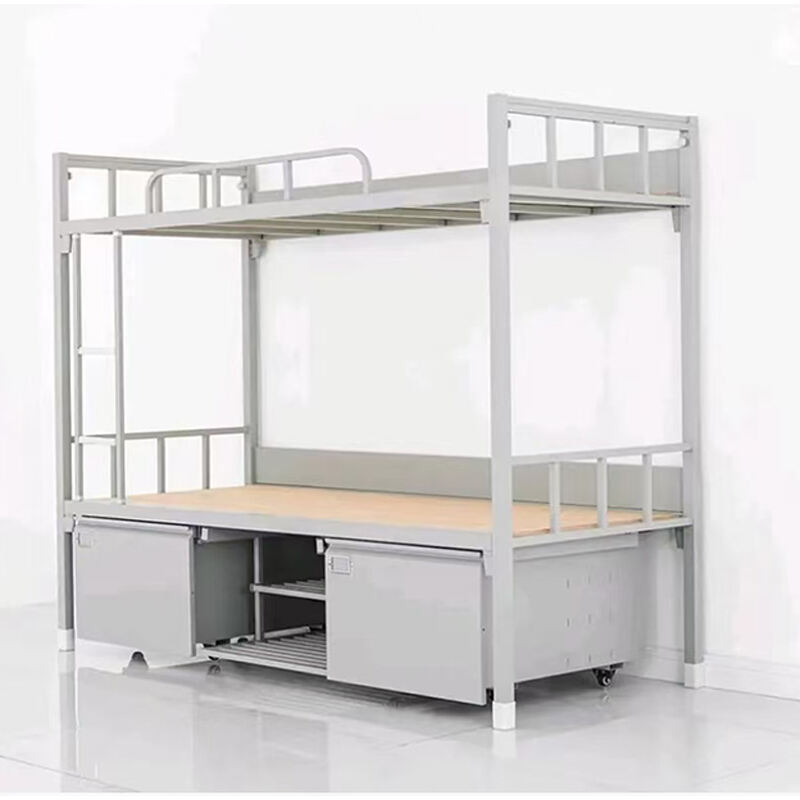
Compliance with Regional Bunk Bed Safety Standards
Overview of bunk bed safety standards in the US, EU, China, and Australia/New Zealand
Safety requirements for bunk beds differ quite a bit from one country to another, leaving dorm managers scrambling through a maze of regulations when outfitting their facilities. Take America for instance where ASTM F1427 basically says upper bunks need guardrails on both sides, and those rails can't be more than 3.5 inches apart from the mattress edge. Over in Europe, the EN 747-1:2024 standard takes things further by demanding guardrails stick out at least 5.9 inches above the mattress surface, plus they have specific rules about how close together ladder rungs should be spaced (under 2.4 inches). Meanwhile back in China, GB 24430.1-2009 focuses heavily on preventing kids from getting stuck between rails, so they set that vertical spacing at exactly 2.75 inches. And down under in Australia, the AS/NZS 4220 standard makes sure institutional grade frames can handle at least 500 pounds of weight before buckling. All these different specs make it tough for anyone trying to stock beds internationally without running into compliance issues somewhere along the line.
Key differences in regional regulations on guardrails, gaps, and structural integrity
Critical variations emerge in three areas:
- Guardrail height: US (5’ min above mattress) vs EU (5.9’ min)
- Entrapment gaps: China prohibits openings between 2.75–4.7’, compared to the US restriction on gaps between 3.5–9’
- Testing protocols: EU requires 154 lb cyclical load testing, whereas the US enforces a 200 lb static load requirement
How international safety certifications impact dormitory procurement decisions
Institutions prioritizing liability reduction increasingly demand dual certification to ICC-ES (US) and TÜV Rheinland (EU) standards. These verify compliance with flame retardancy (CAL 117 in California), formaldehyde emission limits (<0.05 ppm in EU/East Asia), and anti-corrosion performance—such as 500-hour salt spray testing for coastal campuses.
Aligning bunk bed purchases with institutional compliance and liability reduction
A 2022 CPSC analysis found 62% of dormitory bed injuries stemmed from non-compliant guardrail configurations. Procurement teams should implement a 4-point checklist:
- Verify third-party certification for all target markets
- Require ASTM/EN test reports from manufacturers
- Confirm warranty coverage for structural failures
- Audit supplier QC processes for weld integrity and joint stability
By specifying beds meeting EN 747-1:2024 and local standards, universities reduce insurance premiums by 18–27% while demonstrating institutional due diligence.
Critical Design Features for Fall Prevention and User Safety
Minimum Height Requirements and Continuous Guardrail Coverage for Top Bunks
When it comes to keeping kids safe in bunk beds, the height and reach of those guardrails really matters. For the top bunk specifically, good quality guardrails should stick out about five inches past whatever mattress is being used, covering every exposed side without any gaps. According to findings from last year's Dorm Safety Report, manufacturers need to design these railings so there's no space bigger than around three and a half inches between them either. That helps keep little fingers and toes from getting stuck accidentally. Most reputable companies actually test their welding points pretty thoroughly too. These tests check if the metal can handle forces exceeding two hundred pounds sideways pressure, which makes sense considering how many kids toss and turn while sleeping at night.
Entrapment Risks and Gap Safety
When the gap between a mattress and guardrail gets bigger than 3 inches, even properly installed rails can pose serious risks. Most safety guidelines now suggest using foam padding or those adjustable rails that actually respond to how much the mattress compresses when someone lies down. According to the latest fall prevention standards from healthcare institutions, closing these spaces cuts the chance of someone getting stuck in the head or neck area by around two thirds when compared to older fixed rail systems. This makes a big difference in preventing injuries, especially for patients who might not be able to free themselves easily.
Ladder Safety
Ladder angles between 65° and 75° optimize climbing stability and minimize tip-over risks. Textured rung surfaces enhance slip resistance—particularly important in sock-clad use common in dormitories. Fixed ladders outperform removable models, showing 82% fewer wobble-related incidents in university housing studies.
Clearance Height and Ceiling Space
A minimum 30-inch clearance between the top bunk and ceiling prevents concussions during sudden sit-ups. Low-profile mattress foundations (№6 inches) help maintain this buffer in rooms with standard 8-foot ceilings.
Case Study
A 2022 audit of 14 campus housing facilities linked 73% of bed-related ER visits to ladders exceeding 80° angles or guardrails with intermittent coverage. After retrofitting to current standards, injury rates dropped by 91% over two academic years.
Structural Integrity: Weight Capacity, Materials, and Long-Term Durability
Standard Weight Limits for Upper and Lower Bunks in High-Traffic Student Environments
Student dormitory bunk beds must support dynamic loads from daily use. Upper bunks typically require a minimum 200 lb (90 kg) capacity, while lower bunks should withstand 250 lb (113 kg) to account for added stress from movement and stored items. Universities often increase these thresholds by 20% to accommodate unpredictable usage patterns.
Data Insight: 78% of Structural Failures Occur Due to Overloading or Poor Joint Design (CPSC, 2022)
The Consumer Product Safety Commission found most collapses result from exceeding weight limits or subpar connectors. Weak joints between rails and bed frames account for 62% of incidents, underscoring the need for reinforced steel brackets or mortise-and-tenon wood joints.
| Material | Weight Capacity (Upper/Lower) | Longevity (Years) | Formaldehyde Emissions (ppm) |
|---|---|---|---|
| Solid Hardwood | 220 lb / 275 lb | 12–15 | <0.05 (CARB2 compliant) |
| Powder-Coated Steel | 300 lb / 400 lb | 20+ | 0 |
Manufacturing Quality Indicators: Weld Integrity, Bolt Tightness, and Anti-Wobble Design
High-traffic dormitory beds require continuous welds—not spot-welded seams—and hex-head bolts with nylon locknuts. Anti-wobble features like cross-braces or gusset plates reduce sway by 40% compared to basic L-brackets, according to independent lab tests.
Third-Party Testing Benchmarks for Material Safety and Institutional Durability
Look for ASTM F1427 certification and GREENGUARD Gold compliance for low chemical emissions. Facilities managing 100+ beds prioritize products with 250,000+ cycle ratings for mattress foundations and guardrails.
Controversy Analysis: Solid Wood vs. Engineered Composites in Dormitory Settings
While solid oak resists dents and moisture, engineered wood composites with UV-cured coatings offer 30% higher warp resistance in humid climates. However, composites face scrutiny for delamination risks after 5–7 years of use.
Proactive Maintenance and Inspection Protocols for Institutional Use
Monthly checklist: Loose bolts, worn rails, damaged ladders, and sharp edges
Regular monthly checks are pretty much essential when it comes to keeping those bunk beds safe in student housing situations. The maintenance folks need to make sure all the bolts and screws are snug, check if the rails are still solid, confirm ladders aren't wobbling around, and look for any rough spots on surfaces where students might get hurt. According to a recent dorm safety report from last year, about two thirds of those rail detachment problems happened because someone forgot to tighten things properly after installation or regular use. When putting together inspection lists, focus first on places where kids could get stuck - particularly watch out for spaces bigger than 3.5 inches between mattress tops and guardrails since fingers or limbs can slip through there easily. These small details really matter for preventing accidents down the line.
Staff training for identifying early signs of structural fatigue or wear
Dormitory personnel require quarterly training on recognizing subtle failure patterns such as micro-fractures in weld points, wood grain separation near load-bearing joints, and metal fatigue around ladder attachments. Interactive workshops using decommissioned bunk beds improve diagnostic accuracy by 41% compared to video-only instruction.
Digital tracking systems for scheduled inspections in large housing facilities
Cloud-based maintenance management platforms enable real-time monitoring of inspection completion across multiple dorm complexes. These systems automatically flag overdue checks and generate compliance reports for insurance audits. Leading universities have reduced maintenance oversights by 78% through digital workflow implementation.
Industry Paradox: High initial quality often leads to neglected long-term maintenance
A 2024 survey of 150 housing directors revealed institutions with premium bunk beds conducted 35% fewer preventive maintenance actions than those with standard models. This false sense of security arises from underestimating cyclical stress in student environments, where beds endure three times more loading cycles than residential furniture.
Integrating bunk bed safety into broader dormitory risk management policies
Forward-looking institutions now combine bed inspections with fire safety drills and electrical system checks. This holistic approach reduces overall incident response costs by 19% while fostering a campus-wide safety culture.
FAQ
What are the main safety standards for bunk beds in different regions?
Different regions have varying bunk bed standards, such as ASTM F1427 in the US, EN 747-1:2024 in Europe, GB 24430.1-2009 in China, and AS/NZS 4220 in Australia.
Why is guardrail height important?
Guardrail height helps prevent falls from the top bunk. In the US, it must be at least 5 inches above the mattress, while in the EU, it's 5.9 inches.
What are institutions doing to ensure bunk bed compliance?
Institutions prioritize safety certifications and implement checklists to verify compliance with regulations and reduce liability.
Table of Contents
-
Compliance with Regional Bunk Bed Safety Standards
- Overview of bunk bed safety standards in the US, EU, China, and Australia/New Zealand
- Key differences in regional regulations on guardrails, gaps, and structural integrity
- How international safety certifications impact dormitory procurement decisions
- Aligning bunk bed purchases with institutional compliance and liability reduction
- Critical Design Features for Fall Prevention and User Safety
- Minimum Height Requirements and Continuous Guardrail Coverage for Top Bunks
- Entrapment Risks and Gap Safety
- Ladder Safety
- Clearance Height and Ceiling Space
- Case Study
-
Structural Integrity: Weight Capacity, Materials, and Long-Term Durability
- Standard Weight Limits for Upper and Lower Bunks in High-Traffic Student Environments
- Data Insight: 78% of Structural Failures Occur Due to Overloading or Poor Joint Design (CPSC, 2022)
- Manufacturing Quality Indicators: Weld Integrity, Bolt Tightness, and Anti-Wobble Design
- Third-Party Testing Benchmarks for Material Safety and Institutional Durability
- Controversy Analysis: Solid Wood vs. Engineered Composites in Dormitory Settings
-
Proactive Maintenance and Inspection Protocols for Institutional Use
- Monthly checklist: Loose bolts, worn rails, damaged ladders, and sharp edges
- Staff training for identifying early signs of structural fatigue or wear
- Digital tracking systems for scheduled inspections in large housing facilities
- Industry Paradox: High initial quality often leads to neglected long-term maintenance
- Integrating bunk bed safety into broader dormitory risk management policies
- FAQ