 EN
EN

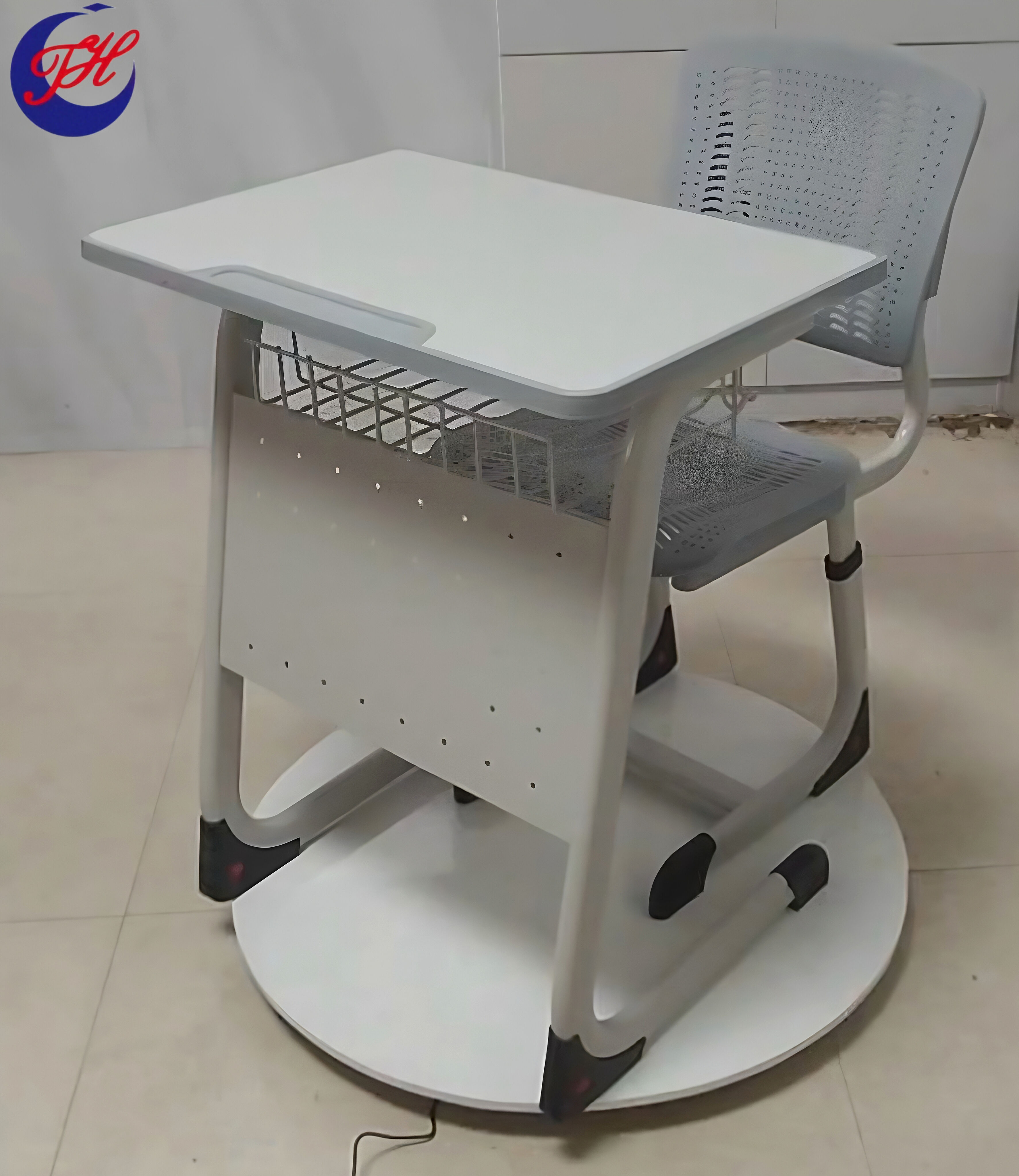
Why Ergonomic Classroom Desks Matter for Student Well-Being
Classroom desks that fit the body right matter a lot for kids' health and how well they do in school. Regular old desks just sit there while students grow and change, causing all sorts of problems after sitting for hours on end. A recent study in the Journal of School Health found something pretty shocking actually - around 7 out of 10 students who use those fixed height desks complain about pain in their backs, necks, or wrists. And when kids hurt physically, it's really hard to focus on math problems or science experiments. That's where good ergonomic desks come in handy. They let each student adjust the desk to match their own body size and posture needs, which makes a world of difference over time.
- Promoting posture alignment through customizable heights and angles, minimizing musculoskeletal stress.
- Enabling movement flexibility, supporting both seated and standing positions to boost circulation and reduce fatigue.
- Reducing fidgeting by 40%, as adaptable furniture accommodates diverse body types and learning styles without distraction.
This intentional design transforms classrooms into inclusive spaces where physical comfort actively supports cognitive engagement. Students using ergonomic desks demonstrate 15% higher task persistence and exhibit fewer off-task behaviorsâproving that well-being and learning thrive symbiotically when environment and physiology align.
Key Ergonomic Features of Modern Classroom Desks
Height Adjustability: Supporting Physical Development Across Grade Levels
Today's classroom desks come with adjustable heights so kids can sit comfortably as they grow through different grade levels. Fixed height desks are a problem because many children end up with dangling legs or knees hitting the desk surface when it's too small for them. Ergonomic designs make it much easier for students moving from elementary to high school settings without needing completely new furniture each time. When kids have their feet planted firmly on the ground, elbows bent around 90 degrees, and can see what's on their desk without straining their necks, research shows this cuts down back pain by nearly half over long periods of sitting still (the Ergonomics in Education Study found this in 2023). Better desks let teachers adjust heights using simple hand cranks or silent electric systems, which means all students stay properly positioned regardless of how tall they get. Schools with mixed age groups or special needs programs really benefit from these adaptable desks since children there often have very different body sizes and requirements.
Desktop Tilt and Surface Flexibility for Focus and Posture
Adjustable tilt mechanisms (0â20 degrees) turn static desks into dynamic learning tools. An angled surface reduces neck flexion by 30% during reading or writing and better supports specialized tasks like drafting or tablet use. Thoughtful surface design includes:
- Textured, non-reflective finishes to minimize eye fatigue
- Rounded, pressure-relieving edges to prevent forearm compression
- Split or modular desktop configurations for simultaneous book-and-device use
A 15-degree tilt correlates with 28% fewer posture corrections prompted by educatorsâfreeing mental bandwidth for deeper focus. Flexible work zones also scale across learning modes: individual study, small-group collaboration, or hybrid digital/physical tasksâall without compromising ergonomic integrity.
Inclusive Design: Ensuring Classroom Desks Meet Diverse Student Needs
Adaptive Features for Neurodiverse and Physically Diverse Learners
Classroom desks designed for inclusion do much more than just adjust sizes. These desks actually help all kinds of students learn better. The National Center for Education Statistics reported back in 2023 that around 7.5 million kids in the US need some sort of accommodation for disabilities. That's why many modern desks come with adjustable heights so wheelchair users or growing students can sit comfortably without straining their bodies. Tilting desktops make life easier for kids who process sensory information differently. When the desk angle is right, it helps them focus longer without getting overwhelmed by everything going on around them. And let's not forget about the flexible surfaces that work great with all sorts of assistive tech out there today, whether someone needs speech recognition software or special keyboards that fit their hands better.
These adaptations foster equity by:
- Providing generous legroom and under-desk clearance for mobility aids and postural support devices
- Incorporating sensory-friendly textures, stability, and edge contours to support motor coordination
- Empowering students to independently configure their workspaceâbuilding autonomy and self-regulation
Universally designed ergonomic desks reduce physical discomfort by 32% while increasing task engagement across neurodiverse, physically diverse, and general education populationsâcreating truly accessible, learner-centered environments.
Evidence-Based Impact: How Ergonomic Classroom Desks Improve Outcomes
Reduction in Musculoskeletal Discomfort and Increased Engagement
There's growing evidence that students who use ergonomic desks actually feel better and perform better too. According to a recent study published in 2023 on ergonomics research, kids sitting at adjustable height desks reported about 34% fewer backaches and around 28% less neck pain than those stuck in regular school desks. What really matters though is how this affects their actual learning time. Teachers have noticed that classes with proper ergonomic setups tend to keep students engaged for nearly 20% longer during lessons. The science behind it makes sense both physically and mentally. When kids aren't constantly fidgeting because they're uncomfortable, their brains can focus on what's being taught instead of just trying to get comfortable. Plus, desks that let students adjust the angle naturally encourage small movements throughout the day, which helps them stay calm and focused without getting distracted.
Real-World Adoption: Case Studies from U.S. School Districts
Districts all over America are seeing real world results from these studies. When a Title I school in New Mexico switched to adjustable desks last year, they noticed something interesting happening. Nurse visits dropped by almost a quarter for posture issues, while students actually completed 17% more assignments during just one semester. Another school district in the Midwest, which serves lots of kids with IEPs, had similar experiences. They replaced their old fixed height furniture and saw disruptive behaviors cut down by 31%. Teachers also mentioned better group work and classroom interactions since then. The numbers back it up too. Most schools get about $3 back for every dollar spent on these desks when looking at long term savings. Less time lost to absences, cheaper furniture replacements, and teachers spending more time teaching instead of dealing with uncomfortable students all contribute to this pretty impressive ROI over five years.
FAQ
What are the main benefits of ergonomic classroom desks?
Ergonomic classroom desks provide customizable heights and angles which reduce musculoskeletal stress, promote posture alignment, enable movement flexibility, and accommodate diverse body types and learning styles.
How do adjustable height desks help students?
Adjustable height desks allow students to sit comfortably regardless of their size, which helps reduce discomfort from sitting in fixed height desks and decreases the likelihood of neck, back, or wrist pain.
Are there specific features that benefit neurodiverse students?
Yes, desks with sensory-friendly textures, adjustable heights, and tilt options can help neurodiverse students focus better and accommodate their distinct learning needs.
What impact does using ergonomic desks have on learning engagement?
Students using ergonomic desks show increased engagement, higher task persistence, and fewer off-task behaviors due to the physical comfort which supports better cognitive engagement.