 EN
EN

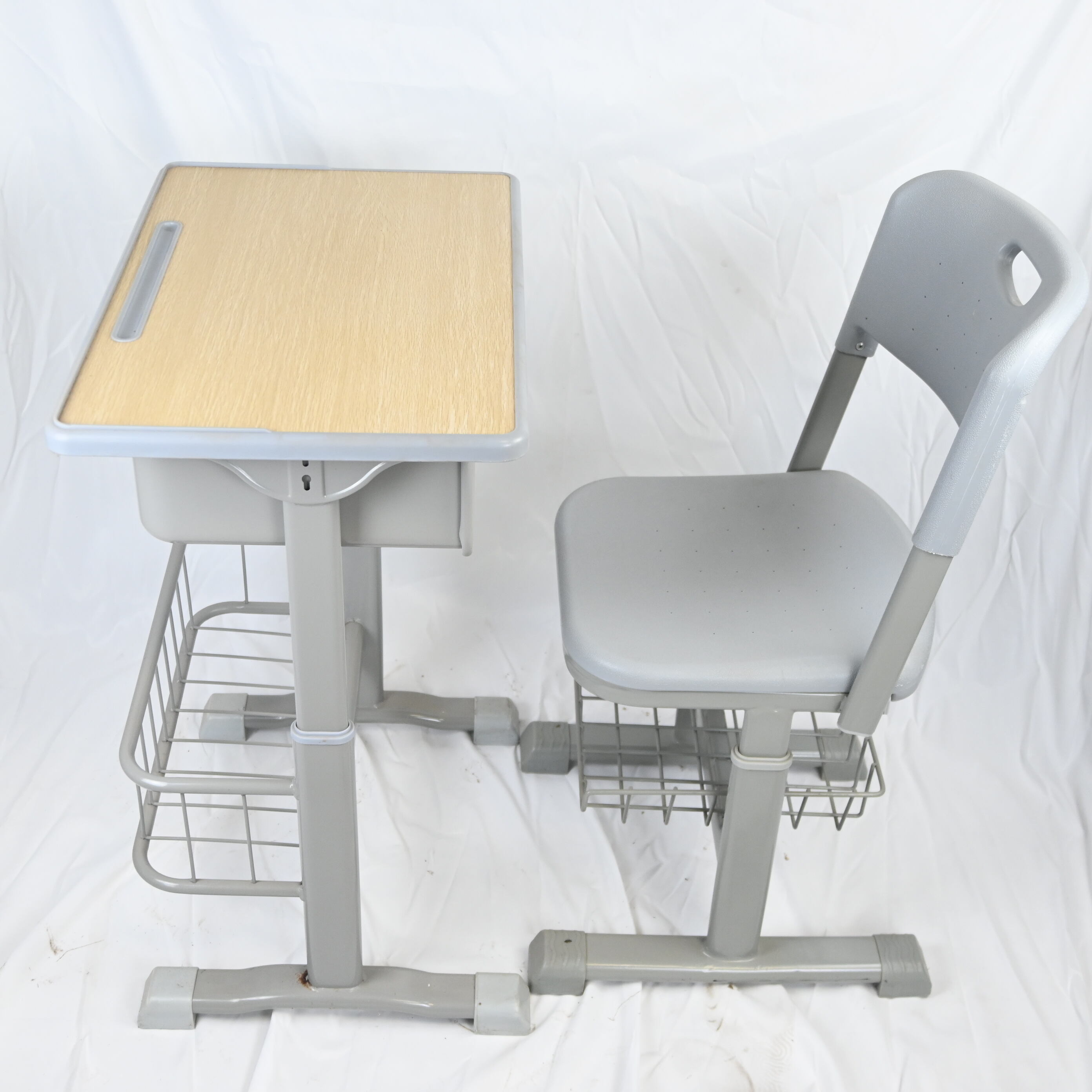
Understanding Ergonomic Needs Across Grade Levels
Students grow so much during their school years that classroom desks need to keep up with these changes in body size. Think about it: kids who sit around 22 to 24 inches tall when they start first grade will be almost twice that height by the time they reach high school. That's why adjustable desks matter so much for teachers trying to help students sit properly. These desks let kids have better wrist positions and knees bent at about 90 degrees, which are important things for preventing back and neck problems later on. Kids in elementary school tend to need their desks adjusted all the time because they're still growing rapidly, unlike older teens who change less quickly. Because every child grows differently, having desks that fit everyone exactly just doesn't work anymore. Schools are seeing this and looking for furniture options that can actually adjust as children develop through those important growing years.
Recommended Desk and Chair Heights by Grade Level
Proper desk and chair alignment helps students maintain neutral posture, reducing fatigue and improving focus during lessons. Matching furniture to developmental stages supports healthy musculoskeletal growth while accommodating diverse classroom activities.
Recommended Desk and Chair Heights by Grade Level Based on National Standards
According to national ergonomic standards, desks for little kids in kindergarten usually need to be around 22 to 24 inches tall, which converts to about 56 to 61 centimeters. High school students require taller desks, typically measuring between 28 and 30 inches or approximately 71 to 76 centimeters. When it comes to chairs, they should be set so children can place both feet flat on the ground while keeping their knees at a right angle. For younger students this generally means chair heights of roughly 12 to 14 inches (about 30 to 35.5 cm), whereas teenagers benefit from chairs around 16 to 18 inches high (approximately 40.5 to 46 cm). These recommendations match up pretty well with standard growth patterns, but keep in mind that not every child grows exactly the same way, so having adjustable furniture options makes all the difference for proper fit and comfort.
How to Measure Correct Desk Height Based on Child’s Body Dimensions
Two methods ensure precise desk fitting:
- Elbow-to-floor measurement: With arms bent at 90°, the desk surface should align with the student’s forearm.
-
Thigh clearance: Ensure 2–4 inches (5–10 cm) between chair seat and desk underside for leg movement.
School nurses often use these techniques during annual screenings to update furniture needs as students grow.
Case Study: Implementing Grade-Specific Desk Heights in a K–12 School District
A school district somewhere in the heartland recently installed adjustable height desks in about a third of their classrooms, focusing on those grade levels where kids tend to shoot up in height pretty quickly - around fifth, sixth, and ninth grades. Teachers noticed something interesting after just one school year: complaints about bad posture dropped by roughly forty percent, and there were about twenty two percent less special seating requests from students. Looking ahead, the district wants to have all the classrooms updated by 2026. They figure this investment will pay off over time since they won't need to replace old furniture as often, saving money on maintenance and new purchases for years to come.
Adjustable Features and Furniture Design for Growing Students
Types of Adjustable Legs and Mechanisms for Classroom Desks
Today's classroom desks come with three main ways to adjust height: pneumatic levers that make changing levels smooth and easy, crank systems that offer really fine control, and those pin and hole setups which are great when budget matters most. Studies have found that desks with these adjustable features cut down on repetitive strain injuries among students by around 34 percent when compared to old fashioned fixed height desks. Younger kids in elementary school usually do best with desks that have two stages of adjustment, typically offering between four to six different heights. Middle schoolers and high school students need something else though since they're still growing so fast. Desks with infinite adjustability work much better for them during those awkward growth spurts.
Furniture Adaptability Across Grade Levels Through Modular Design
Modular desks with reconfigurable components allow schools to repurpose furniture as students advance. A 2023 pilot study found districts using modular systems reduced replacement costs by 28% over five years. Components like swappable desktop surfaces—angled for elementary writing practice, flat for STEM labs—extend furniture relevance across grade bands.
Standing Desk Converters and Their Role in Dynamic Learning Environments
Standing desk converters let teachers alternate between seated and active postures without replacing entire desks. In classrooms using these $120–$300 add-ons, students demonstrated:
- 19% higher engagement during afternoon lessons
- 22% fewer posture-related complaints
Converters are most effective when offering 4–6 height settings and 15° tilt angles for task variability.
Comparing Standard vs. Height-Adjustable Classroom Furniture for Growing Students
| Feature | Standard Desks | Adjustable Desks |
|---|---|---|
| Avg. Lifespan | 3–5 years | 8–12 years |
| Posture Improvement | 12% reduction in slouching | 41% reduction in slouching |
| Cost Per Student/Year | $18 | $9 (after 4-year break-even) |
Cost vs. Long-Term Benefits of Adjustable Classroom Desks
Adjustable desks do cost about 60 percent more initially compared to standard ones, going from around $140 to roughly $230 per desk. But over ten years, these desks actually end up costing 35% less when factoring in replacement needs and decreased absenteeism related to health issues. School districts across the country have noticed something interesting too. Middle school students who used adjustable seating arrangements for at least three years saw their grades jump by about 1.2 GPA points on average. These findings really back up why investing in proper ergonomics makes sense financially and academically in the long run.
Promoting Neutral Posture and Student Well-Being Through Proper Desk Fit
How Proper Desk Height Promotes Neutral Posture and Reduces Strain
When desks are set correctly, they allow students to sit in a comfortable position with elbows bent around 90 degrees, feet planted firmly on the ground, and shoulders not tense up. Research published last year in Applied Ergonomics showed something interesting too. Desks positioned at elbow level cut down on neck and back discomfort by roughly one third when compared to those with fixed heights that don't adjust. If a desk isn't at the right height, people tend to bend forward or slump over their work, which puts extra stress on the spine's discs. There's actually a simple guideline many ergonomists recommend called the 90-90-90 method where hips, knees, and ankles form right angles. This setup helps reduce tired muscles while doing things like writing notes or working on computers for extended periods.
Student Posture and Furniture Fit: Linking Ergonomics to Physical Health
Kids who use desks designed with ergonomics in mind tend to have fewer problems with their muscles and bones. Research indicates that when students spend at least six hours a day at adjustable height desks, they complain about lower back pain around 28 percent less often. Keeping wrists in a natural position helps avoid strain on the hands and fingers, and good support for the lower back stops kids from slouching forward with their heads jutting out, which can lead to long term discomfort. Schools that focus on making classrooms comfortable report seeing about 19% drop in missed days related to poor posture each year, based on recent national surveys looking at student health across elementary through high school levels.
Impact of Desk Height on Student Comfort and Focus During Lessons
When desks are set at the right height for a student's elbows, they tend to focus better because there's less discomfort that makes them fidget around. A study lasting 12 weeks found something interesting: in classrooms where students had adjustable desks, tasks got completed 22% faster overall, and quiz results were actually 15% better than those sitting at regular fixed desks. Getting the desk height right means eyes can stay naturally level with whatever they're reading from screen or book, which cuts down neck strain by almost half according to some measurements. Teachers have noticed something else too - when desks fit properly, kids ask for posture breaks only about 31% as often as before. That means longer periods of actual learning without constant interruptions for adjustments.
Practical Steps for Measuring and Adjusting Classroom Desks
Step-by-Step Guide to Measuring and Adjusting Desk Height in the Classroom
Students need to sit up straight with both feet planted on the ground and elbows forming about a right angle. The desk top should be level with where their forearms rest when they're typing or writing. Grab a measuring tape and check from the floor up to the elbow joint point then tweak the desk height if possible. When dealing with fixed height desks, some schools have had luck using small platform risers or investing in chairs that let kids adjust their seating position. According to recent research by Haworth from last year, schools that started tracking these ergonomic details saw around thirty percent drop in complaints about poor posture among students.
Modifying Existing Desks and Chairs to Fit Individual Needs
When replacement isn’t feasible, consider:
- Platform risers for desks needing 2–4 inches of elevation
- Angle-adjustable desk tops to accommodate varying arm lengths
- Seat cushions or footrests to stabilize shorter students
A 2023 pilot study found these modifications improved neutral posture compliance by 42% compared to fixed-height setups.
Teacher-Led Assessments: Ensuring Each Student’s Desk Supports Healthy Development
Conduct monthly “desk check” sessions where educators:
- Verify desk height relative to elbow position
- Observe seated posture during writing tasks
- Document discomfort reports
Pair assessments with age-appropriate ergonomic lessons—students who understand why proper desk height matters are 2.1 times more likely to self-correct posture (Ergonomics in Education Initiative 2024).
Frequently Asked Questions
Why is adjustable classroom furniture important?
Adjustable furniture accommodates the rapid physical growth of students, promoting better ergonomics and reducing health issues related to posture.
What are the recommended desk and chair heights for different grade levels?
Desk and chair heights vary, with kindergarten desks around 22-24 inches and high school desks around 28-30 inches. Chair heights should allow feet flat on the ground, generally 12-14 inches for younger kids and 16-18 inches for teens.
How can teachers assess whether students' desks are properly adjusted?
Teachers should conduct monthly "desk check" sessions focusing on verifying desk height relative to students' elbows and observing posture.
Table of Contents
- Understanding Ergonomic Needs Across Grade Levels
- Recommended Desk and Chair Heights by Grade Level
-
Adjustable Features and Furniture Design for Growing Students
- Types of Adjustable Legs and Mechanisms for Classroom Desks
- Furniture Adaptability Across Grade Levels Through Modular Design
- Standing Desk Converters and Their Role in Dynamic Learning Environments
- Comparing Standard vs. Height-Adjustable Classroom Furniture for Growing Students
- Cost vs. Long-Term Benefits of Adjustable Classroom Desks
- Promoting Neutral Posture and Student Well-Being Through Proper Desk Fit
- Practical Steps for Measuring and Adjusting Classroom Desks
- Frequently Asked Questions